It was a comfortable flight, given that we were flying through the tropics, where turbulence is commonplace and losing your dinner tray (and dinner) not unheard of. I looked out the window as we descended through the perma-clouds over Kinshasa and smiled as the magnificent Congo River momentarily came into view, pointing out to my clients that the land they saw wasn’t the other side of the river, but the island in the middle of Stanley Pool. At this juncture on the river, it goes over the earth’s curvature, meaning you can’t see the opposite bank if you’re standing on the river’s edge.
We disembarked into the oppressive late-afternoon heat of crazy Kinshasa and made our way through passport control and luggage collection. All smooth so far, I smiled and rang our driver, John, who I always use on trips to the world’s largest French-speaking city. A grand old fellow who knows everybody and taught himself to speak English, of sorts, a godsend in the city. No reply. WhatsApp him. No response. “Monsieur Ducan?” I heard and turned to see a young man holding his phone out to me with my WhatsApp profile photo on it. “Yes, are you with John?” I replied. No English. Shit.
He escorted us around the back of the airport, where he had parked for ‘free’, guarded by the airport security you’re supposed to tip for the pleasure of walking around for 20 minutes. A grand ceremonial salute from the guard got him a couple of dollars – not too much or too visible, or the driver may think we’re loaded American or European businesspeople. Out of nowhere, a young lady approached us and introduced herself as John’s niece and explained he’d asked her to fetch us.
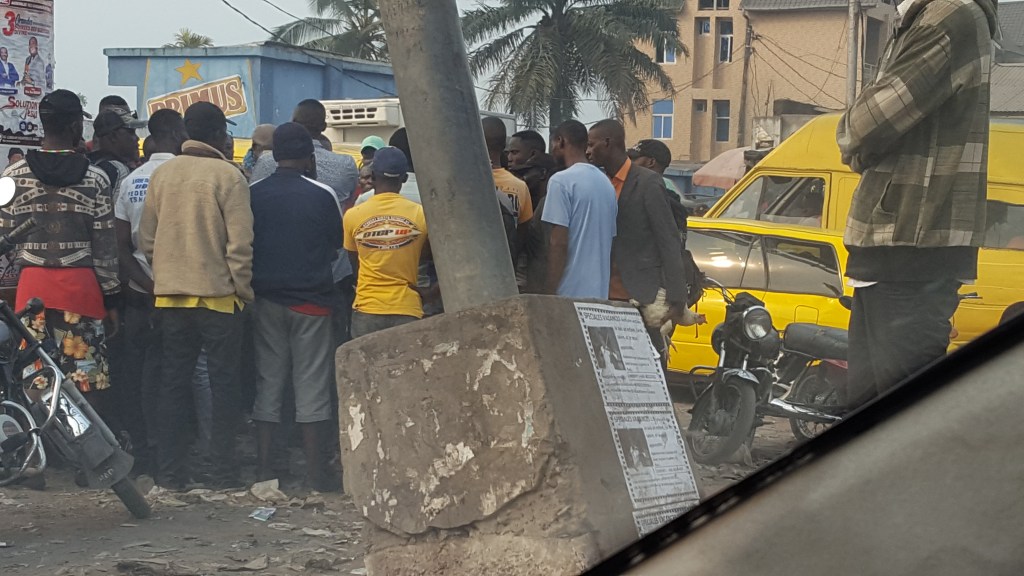
“John’s gone back to Lubumbashi,” she said. Strange, I’d spoken to him twice during the week to confirm arrivals and prices for Kinshasa, not Lubumbashi over 2,000 km south and inaccessible by road. The driver is her boyfriend, who will drive us for the week, she informed me.
“But I need John, because he speaks English!” I protested. “Don’t worry, when you need something call me and I will talk to the driver,” she said. Ah, fuck! Here we go. Never a simple transaction in the bloody Congo. “Let’s talk tomorrow,” I snapped back ditching my serenity for a moment, largely because my clients were looking terrified.
The following morning, being a Sunday, we had decided to do a tour of the supermarkets, bakeries and informal markets of Kinshasa to look at prices, brands and availability of the clients’ products – a nice easy way to introduce them to one of Africa’s most vibrant, fun, frustrating and sometimes scary cities.
I called our lady friend to tell her the driver was now an hour late. “He has to fetch another car, this one is broken. He will be there before lunch” she offered.
I approached the concierge of our hotel, located right on the banks of the river and looking across to Brazzaville in the other Congo. The hotel, that is, not the concierge. He was at his desk. “Are you able to find us an English-speaking driver, please?” He smiled and assured us he would. We walked with him to where the taxis park under the trees opposite the hotel. He waved a car over, which looked familiar, but then old, battered and with a cracked windscreen is normal in Kin. “He will help you” said the concierge and walked off.
A bent figure slowly emerged from the car, polished immaculately (the car, not the driver etc.), dressed in a three-piece suit, cravat and fedora. “John!” I shouted happily, “where were you yesterday, patron?” A look of confusion gradually gave way to the smile of the inimitable Mr. Matadi (Matadi is apparently Lingala for rock, so I call him Mr Stone, much to his amusement). Finally he recognised me! I gave my clients a thumbs-up, because now we were with the man who knows Kinshasa intimately – the streets, the history, the characters, the tales. An absolute gem of a man. “I know him!” he shouted to my clients and everyone else within earshot, “I know him!”
And so we set off on the day’s mission, John regaling tales of the Rumble in the Jungle – “Ali? I know him! I drive him in Kinshasa! 1974! Zaire, but Mabuto was a bad man. But he made Kinshasa famous by bringing Ali to us. I know him! Too clever for George. I was boxing then. I know, I know.”
John still couldn’t say how his ‘niece’ had come to collect us.
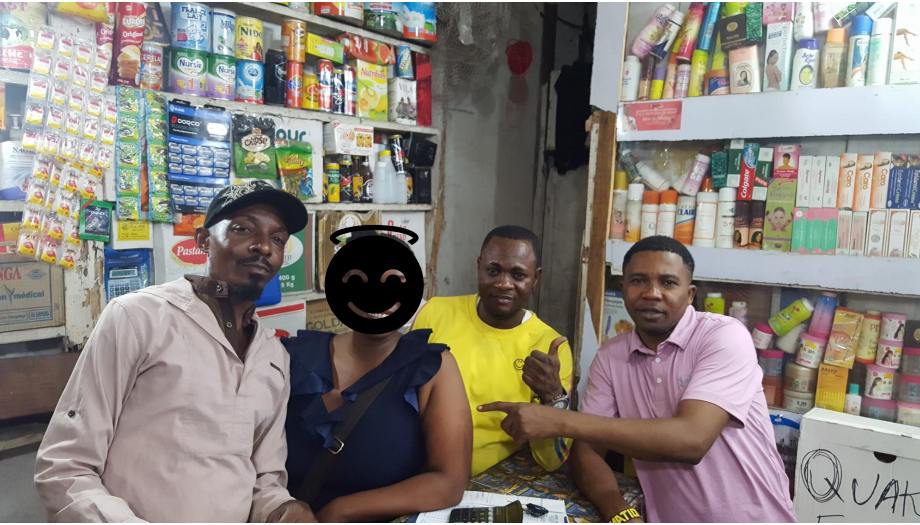
The week flashed past, with meetings held with the largest importers and distributors in DR-Congo, an array of retailers from large to small and bakeries, some of which produce over a million baguettes a day to satisfy the insatiable appetite for bread in Kin; small patisseries and local Lebanese bakeries; logistics and transport companies, warehouses and a range of other players in the market. The reception was, for the most part, wonderful. It’s a difficult country and market and people are really accommodating when you’re looking to do business with them.
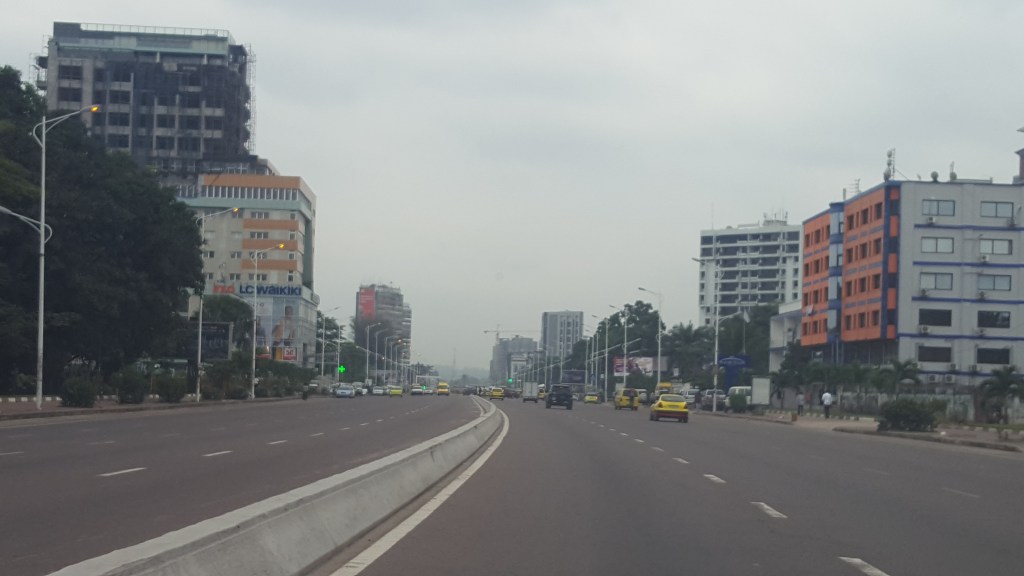
Each day started and finished in the clean, wide, tree lined streets of Gombe, the part of Kinshasa where most of the Embassies, rich and famous and importantly, the President, live. It’s very secure (our hotel being next to the presidential compound), quiet, with great restaurants and vibrant, raucous nightclubs not too far away.
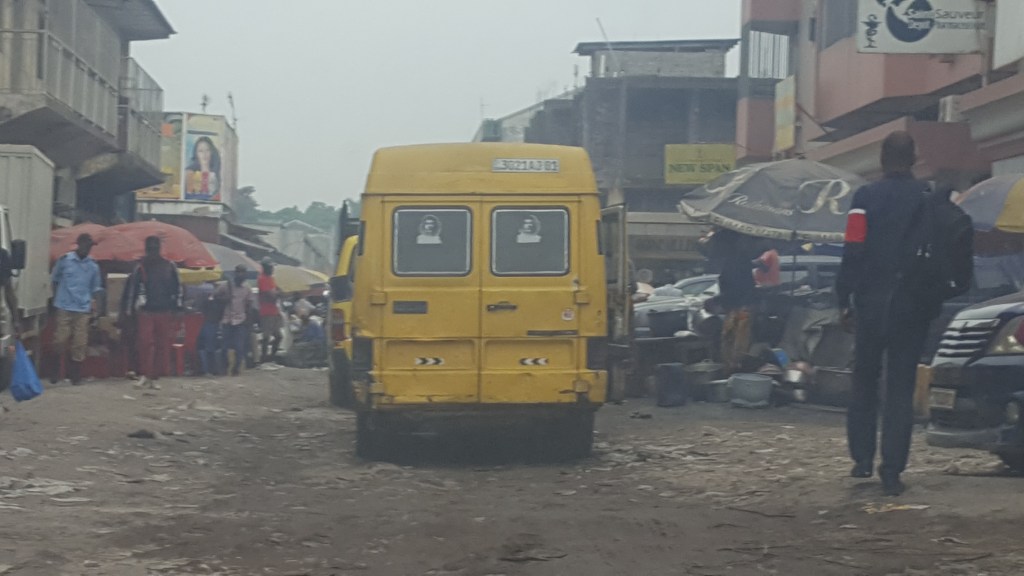
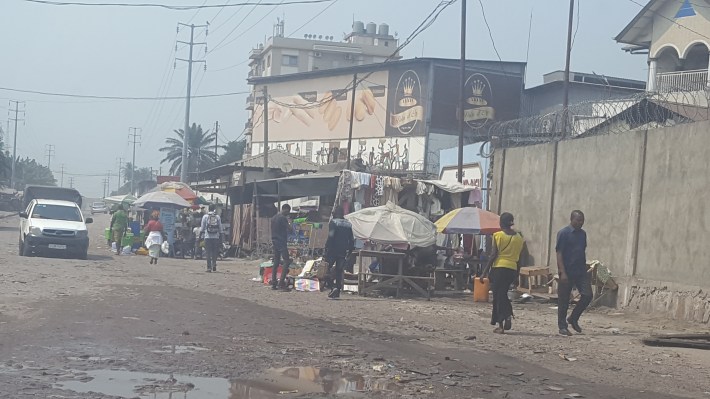
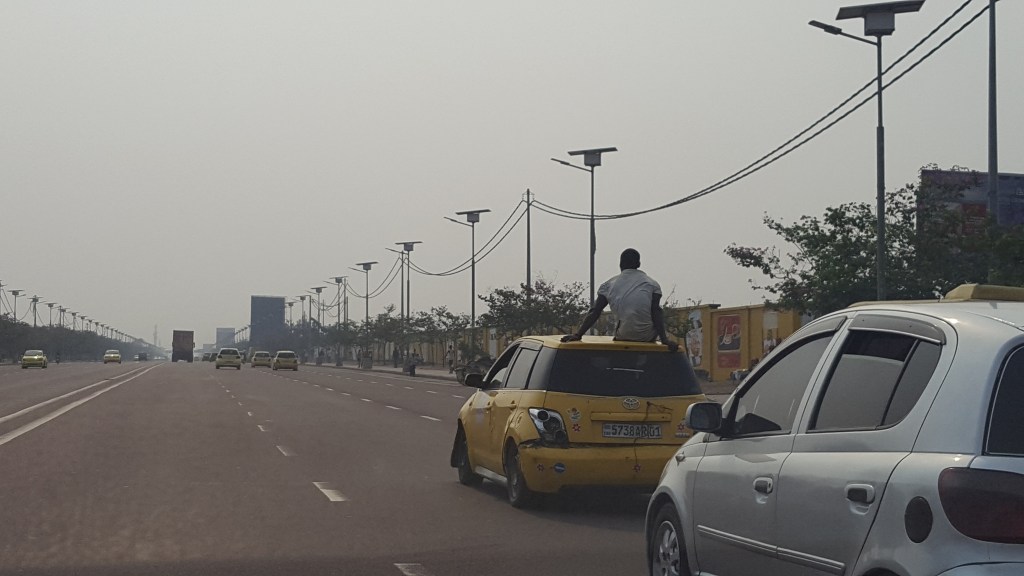
Soon, however, we’d be into the industrial and open-market areas where roads haven’t been repaired since Mabuto took power in 1965 and are non-existent in many areas, raw sewerage runs between people’s houses, with only the rain and mountains of rubbish to wash it away and obscure it from view. No running water, no electricity, no sanitation and no hope for about 11 million of the 11.5 million people living in the city. Everywhere is dusty, even though it’s tropical with rain pretty much every day, everywhere has a smell of rotting vegetation, mingling with the dust, diesel and general stench of decay. An absolute assault to newcomers, something you accept once used to it.
One morning we sat in a rat-infested bakery near Marché Central (output of almost 1 million baguettes a day, but looking like a abandoned Dickensian dump), whilst the finance director tried to extort money from us to grant access to the procurement manager. We left and crossed them off our target list.
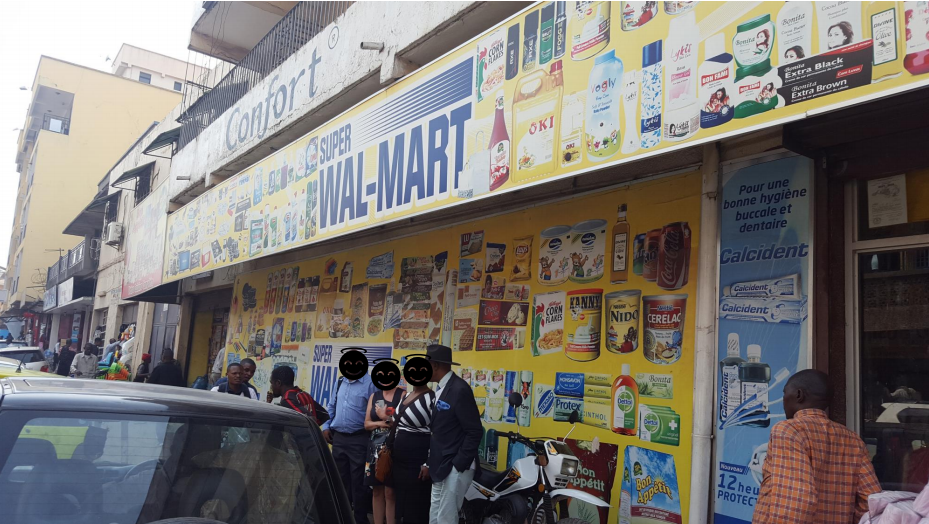
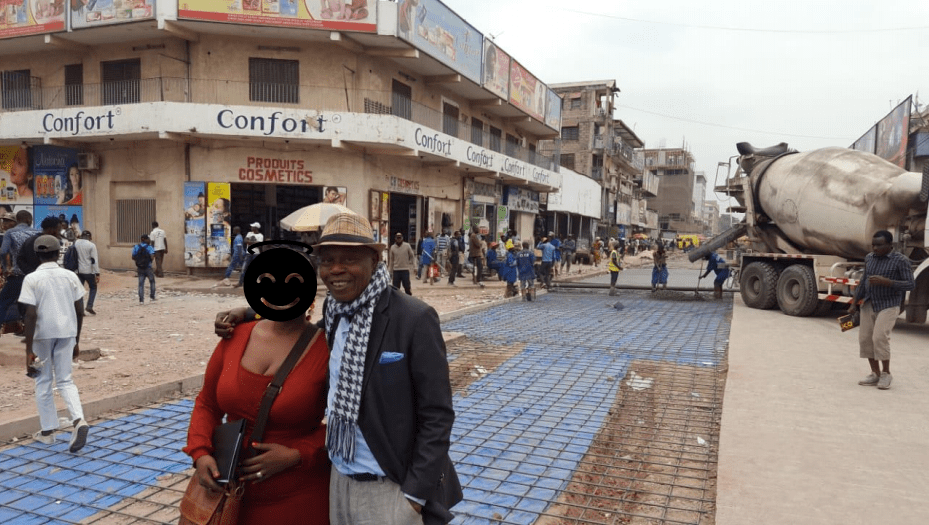
From there, we meandered back in the direction of our car. Several blocks of the city had been cordoned off whilst a new road was built, so we had to park about a kilometre away. We used the time to trek through the labyrinth of shops, wholesalers, kiosks and more asking about prices, ably assisted by a street kid who we paid about US$20 for the couple of hours he was with us. Best money spent on the trip. It was a bit overwhelming for the clients, who needed a coffee. I suggested a place around the corner, and was met with horrified looks.
“Trust me” I said, and turned the corner, walked down the potholed, dusty street until the sign came into view: Eric Kayser, the French chain and an absolute godsend. That’s Kin: super-luxury cheek by jowl with chaos and poverty.
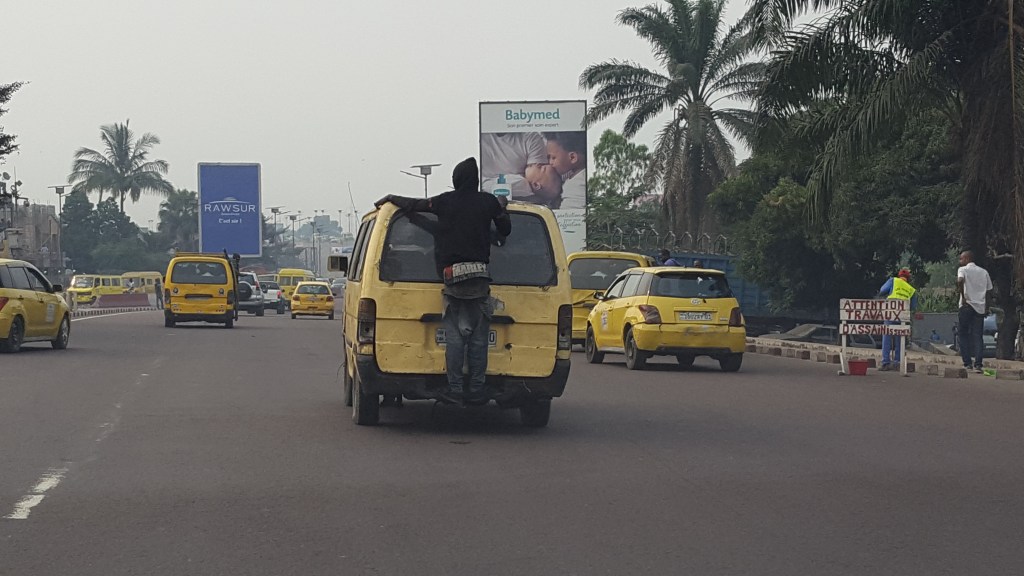
Finally, it was time for the clients to leave. John raced us to N’djili International, vying for precious space on the only road to the airport with trucks, buses, cars, motorbikes, pedestrians and other cars. It’s quite an experience!
John helped us get the clients’ luggage into the check-in queue whilst we headed off to pay the US$50 exit tax, or whatever it’s for – assisted by someone whom John had paid to ensure the authorities didn’t try to extort more from us.
Back in the queue, which had ground to a halt because the computers had crashed. Manual boarding. Two hours for about 80 people. Make small talk, chat about next steps, the upcoming Nigeria visit. I was staying for another field research mission, including a trip to Matadi Port, 350km from Kinshasa, but that’s for another time.
The clients finally went through to board, and John and I left to go back to the city.
Over the course of the week, he had become increasingly confused and I can only think he had dementia or something similar, because he wasn’t the John I knew. Increasingly tired, no longer talking about fabulous tales of the rich and famous he rubbed shoulders with. A tired old man. We arrived and I thanked him for his service, paying him in dollars and giving him the usual tip.
“Au revoir, papa” I said, hugging him. He looked at me and smiled “No, it’s time. Kinshasa has defeated me. Finally. John is going home. To my family in Lubumbashi. They know me.”
As told by Deebee7, obviously.
 Ovally Balls
Craigs, what would you have Morrissey sing here?
LikeLike
Nothing, he’s a fucking twat.
LikeLiked by 4 people
@Craigs – you should take it up with the Académie Française. They love it when Anglophones make helpful suggestions.
LikeLiked by 1 person
Or Ronnie Wood here?
LikeLike
Couldn’t have put it better myself, Craigs.
LikeLike
Or Fat Mike here:
LikeLike
Thaum – I will do. Like the time I advised them on how to rearrange their sentence structure to make business emails more concise and easier to read.
LikeLiked by 1 person
BB – thanks. I have a way with words. Hence my advice to the French and others.
LikeLike
For some reason I really hate Morisseys voice too.
LikeLike
Slavonic languages don’t tend to use articles. It’s very difficult for me to get my bearings without it.
Russian is the most spoken of those languages, Craigs, be a sweetheart and write to Vladimir Putin demanding he changes it.
LikeLike
Tomp – Swedish is similar I think. But tbh I’m really bad at learning new languages and can barely speak English after 6pm.
I’m organising a Zoom DIY quiz with Vlad so I’ll let him know.
LikeLike
For Craigs
LikeLike
Nope, still hate it.
LikeLike
A guy at college made a short film that evoked the ennui, the angst and the another foreign word of life for young people in Britain in the early 1990s. Naturally, he used Every Day is like Sunday on the soundtrack. I can still remember him saying, “And the great thing about this bit with Morrissey’s song is that we filmed it on a … Sunday.”
Worse than (now) Morrissey.
LikeLike
Natalie Merchant is dreamy:
LikeLike
Sundays did used to be dreadfully boring times in this country. Probably one of the reasons Rugby League survived in football dominated towns.
LikeLike
Eastern Congo sapeurs:
https://africanarguments.org/2016/02/25/les-sapeurs-of-the-eastern-congo-drc-sharp-stylish-subversive/
LikeLike
Something to pass the time.
LikeLike
“Rugby League: Better than Being Bored to Death” was the slogan for the Rugby Football League in the 1960s and 1970s.
LikeLike
Is it though?
LikeLike
@tomp
RL probably reached peak boredom in the 50s and early 60s, to be fair. They had to introduce the 4 tackle rule in 1966 to liven it up a bit, increasing to 6 in 1972.
LikeLike
1966? So a few years after Cliff Richard’s career took off Yes, they’d need something to entice the pride of Northern English manhood away from the catchy tunes of Pop’s Future Peter Pan.
LikeLike
Thanks for a great read, DeeBee
LikeLiked by 1 person
LikeLiked by 2 people
You monster.
LikeLike
I can – just about – remember Leeds / Wakefield in 1968 (” …’e’s a poor lad… ” etc) . I more clearly remember watching RL on Sat afternoons in following year – Grandstand showed the 2nd half live. 4 tackle rule was often mentioned – I didn’t realise then it was a new “thing” – I also vaguely recall some strange rule about subs beng allowed up to half time – but not afterwards (am I making that up?)
LikeLike
@trisk
Well remembered. I didn’t know that – from wikipedia:
“In 1964 substitutes were allowed for the first time, but only for players injured before half-time”
My Dad says he went to the first match at Watersheddings under the 4 tackle rule. He reckons it was an absolute farce as they could hardly string any moves together.
LikeLike
Too much time of your hands? Write an email to sarugbymagazine:
https://www.sarugbymag.co.za/letter-sa-rugby-should-introduce-bok-trials/
This is my favourite of favourite lines:
“The 60 players could play at a remote location, somewhere like Potchefstroom”
LikeLike
Anybody got any book reviews? Badly need some new reading material.
LikeLike
Depends what you like SBT. As a fantasy/Sci-fi fan I’d recommend Brandon Sanderson’s ‘Stormlight Archive’. Huge books but fairly readable, would keep you going for a while. Patrick O’Brian’s “Master and Commander’ series is a favourite, if you like naval history set around the Napoleonic Wars.
If its non-fiction, then someone like TomP is probably best. He always seems to have loads of stuff to recommend.
LikeLike
@sbt
LikeLike
Who’s she?
LikeLike
SBT – I’ve just started The Mirror and the Light, which is wonderful, but of course you’d have to read Wolf Hall and then Bring Up the Bodies first.
LikeLike
Huge variety really, BB. Done master and commander. Currently chewing thru good American revolution history. recently polished off Rivers of London catch up, Harlen Coben latest, and The Tourist, had a run of interesting world novels over the winter, always enjoy that kind of stuff. Chewy best, as they set me off to sleep quicker which is generally the point, and don’t need to be up late reading a riveting rollicking tale that needs to be got thru in a couple of days. Also really don’t need anything about Jacinta and Gervaise, who move to the dream aga house , but Gervaise has been shagging the nanny/PA and Jacinta must look after the kids while he sorts himself out or leaves permanently, but in the meantime she meets the local builder/gardener help who is a bit of a hunk but retired from his big job in the city/university/police with a broken heart after his wife/girlfriend died/left him, and moved down to Devon/Cornwall to restore his sanity. Local little library is full of these, and I think I may lay in wait for whoever takes all the interesting books and replaces them with that type of novel, and shoot them. ( Altho to be fair, they tend to be of the Brad and Suki move to a rundown Cape Cod stylee on the Cape/Vineyard/Upstate NY type, almost certainly in Brads family since the Revolution, same shit different continent ). Don’t mind if Brad and Suki get horribly murdered tho, and spiky alcoholic local female deputy gets her teeth into unravelling the resulting Mob/Company cover up scandal, particularly with a hint of apocalypse thrown in.
LikeLiked by 3 people
Hmmm, thanks Thaum, have been browsing those. Do I really have to begin with Wolf Hall?
LikeLike
“The 60 players could play at a remote location, somewhere like Potchefstroom”
SA Rugby trying desperately to chase top talent overseas.
LikeLike
Alexander Zevin “Liberalism at Large” and Daniel Sonneband’s “We Fight Fascists” are a couple of books I’ve liked a lot recently. Also, Mark Mazower’s “What You Did Not Tell” and Michael Rosen’s “So They Call You Pisher”. Am a big fan of Rosen and he’s been very ill with the Coronavirus. Hope he gets better soon.
Some fiction – mostly been going with translated stuff – Han Kang is a very good Korean novelist but it’s tough stories, Javier Cercas and Javier Marias always, Daniel Kehlman’s Measuring the World is good historical fiction (and quite funny). Not reading too much British fiction at the moment as the libraries are closed here – Joe Dunthorne’s The Adulterants was the last, insubstantial. I quite like Perfidious Albion by Sam Byers from last year. A friend who I trust on these matters gives big ups to Kevin Barry but not read him yet.
I mentioned Alain Mabanckou earlier. He’s really decent. From SA you can try Kopano Matlwa, Niq Mhlongo and Ivan Vladisavic. Ingrid Winterbach is good, translated from Afrikaans, and Marlene van Niekerk as well.
There’s a really good book by Aeron Davis called “Reckless Opportunists” and a not so good novel by Elizabeth Day “The Party” that think about how we got to where we’ve got.
One book you should definitely definitely read is Jaroslav Hasek’s “The Good Soldier Svejk”. Magnificently funny and I’m told that the English translation misses many of the jokes, still brilliant.
LikeLiked by 1 person
I’ve also enjoyed Paul Beatty and Percival Everett recently as well.
LikeLike
SBT – I reckon each book stands on its own, but as it’s a three-part fictionalised biography of Thomas Cromwell, it helps to start with the first one…. They are really very good. I usually tend to avoid prize-winners, but these fully deserve it.
Ha! In that case, you may like Sara Paretsky’s VI Warshawski series. Again, I’d read them in order if possible.
LikeLike
Or indeed the brilliant works of Christopher Brookmyre. Glasgow-based apocalypses, very darkly funny.
LikeLike
@sbt
LikeLiked by 1 person
Interesting bookshelf you have there, OT.
LikeLike
LikeLike
Sbt – for something different ‘How to Change Your Mind’ or even ‘Other Minds’ are different.
Or ‘It’s a Shore Thing’ by Scotty T.
LikeLike
I own a signed copy of the last one.
LikeLike
Am going to read Blueprint as well.
LikeLike
Still haven’t finished Bloodborne.
LikeLike
Thanks for recommends guys, will work on them. Here is a couple I have enjoyed recently.
https://www.goodreads.com/book/show/32080.Paul_Revere_s_Ride
https://www.nathanielphilbrick.com/books/bunker-hill/
LikeLike
Any particular starting point for Brookmyre, Thaum ? He has several series and a few stand alones.
LikeLike
continuing the history of the colonies theme, I thought this one was interesting too.
https://www.writersreps.com/Love-and-Hate-in-Jamestown
LikeLike