
It was a comfortable flight, given that we were flying through the tropics, where turbulence is commonplace and losing your dinner tray (and dinner) not unheard of. I looked out the window as we descended through the perma-clouds over Kinshasa and smiled as the magnificent Congo River momentarily came into view, pointing out to my clients that the land they saw wasn’t the other side of the river, but the island in the middle of Stanley Pool. At this juncture on the river, it goes over the earth’s curvature, meaning you can’t see the opposite bank if you’re standing on the river’s edge.
We disembarked into the oppressive late-afternoon heat of crazy Kinshasa and made our way through passport control and luggage collection. All smooth so far, I smiled and rang our driver, John, who I always use on trips to the world’s largest French-speaking city. A grand old fellow who knows everybody and taught himself to speak English, of sorts, a godsend in the city. No reply. WhatsApp him. No response. “Monsieur Ducan?” I heard and turned to see a young man holding his phone out to me with my WhatsApp profile photo on it. “Yes, are you with John?” I replied. No English. Shit.
He escorted us around the back of the airport, where he had parked for ‘free’, guarded by the airport security you’re supposed to tip for the pleasure of walking around for 20 minutes. A grand ceremonial salute from the guard got him a couple of dollars – not too much or too visible, or the driver may think we’re loaded American or European businesspeople. Out of nowhere, a young lady approached us and introduced herself as John’s niece and explained he’d asked her to fetch us.
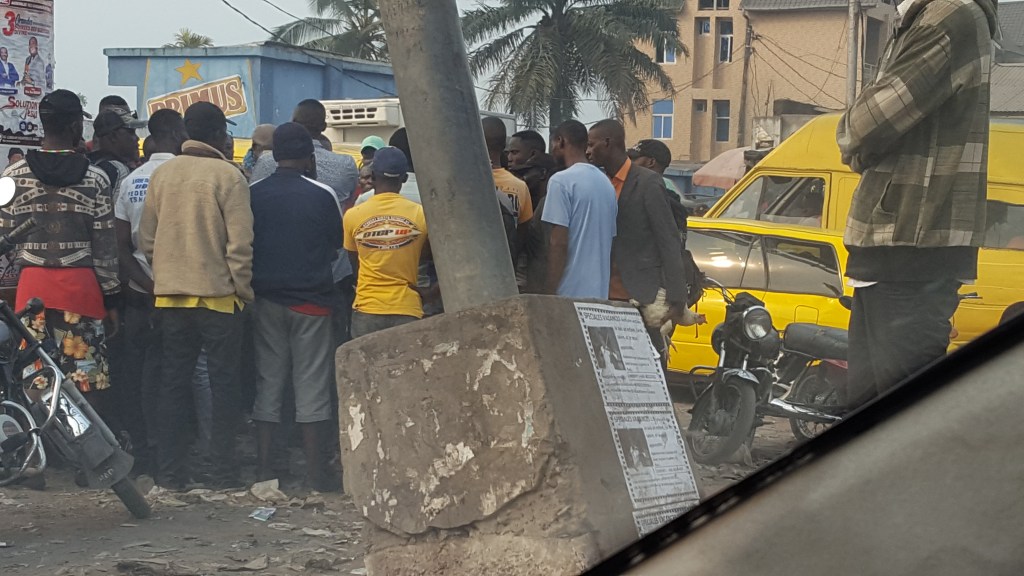
“John’s gone back to Lubumbashi,” she said. Strange, I’d spoken to him twice during the week to confirm arrivals and prices for Kinshasa, not Lubumbashi over 2,000 km south and inaccessible by road. The driver is her boyfriend, who will drive us for the week, she informed me.
“But I need John, because he speaks English!” I protested. “Don’t worry, when you need something call me and I will talk to the driver,” she said. Ah, fuck! Here we go. Never a simple transaction in the bloody Congo. “Let’s talk tomorrow,” I snapped back ditching my serenity for a moment, largely because my clients were looking terrified.
The following morning, being a Sunday, we had decided to do a tour of the supermarkets, bakeries and informal markets of Kinshasa to look at prices, brands and availability of the clients’ products – a nice easy way to introduce them to one of Africa’s most vibrant, fun, frustrating and sometimes scary cities.
I called our lady friend to tell her the driver was now an hour late. “He has to fetch another car, this one is broken. He will be there before lunch” she offered.
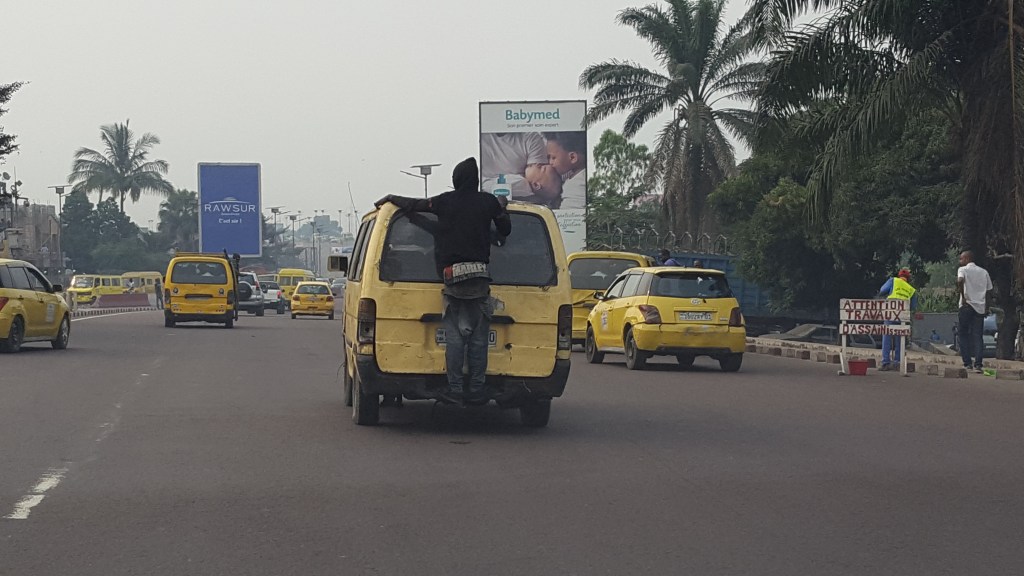
I approached the concierge of our hotel, located right on the banks of the river and looking across to Brazzaville in the other Congo. The hotel, that is, not the concierge. He was at his desk. “Are you able to find us an English-speaking driver, please?” He smiled and assured us he would. We walked with him to where the taxis park under the trees opposite the hotel. He waved a car over, which looked familiar, but then old, battered and with a cracked windscreen is normal in Kin. “He will help you” said the concierge and walked off.
A bent figure slowly emerged from the car, polished immaculately (the car, not the driver etc.), dressed in a three-piece suit, cravat and fedora. “John!” I shouted happily, “where were you yesterday, patron?” A look of confusion gradually gave way to the smile of the inimitable Mr. Matadi (Matadi is apparently Lingala for rock, so I call him Mr Stone, much to his amusement). Finally he recognised me! I gave my clients a thumbs-up, because now we were with the man who knows Kinshasa intimately – the streets, the history, the characters, the tales. An absolute gem of a man. “I know him!” he shouted to my clients and everyone else within earshot, “I know him!”
And so we set off on the day’s mission, John regaling tales of the Rumble in the Jungle – “Ali? I know him! I drive him in Kinshasa! 1974! Zaire, but Mabuto was a bad man. But he made Kinshasa famous by bringing Ali to us. I know him! Too clever for George. I was boxing then. I know, I know.”
John still couldn’t say how his ‘niece’ had come to collect us.
The week flashed past, with meetings held with the largest importers and distributors in DR-Congo, an array of retailers from large to small and bakeries, some of which produce over a million baguettes a day to satisfy the insatiable appetite for bread in Kin; small patisseries and local Lebanese bakeries; logistics and transport companies, warehouses and a range of other players in the market. The reception was, for the most part, wonderful. It’s a difficult country and market and people are really accommodating when you’re looking to do business with them.
Each day started and finished in the clean, wide, tree lined streets of Gombe, the part of Kinshasa where most of the Embassies, rich and famous and importantly, the President, live. It’s very secure (our hotel being next to the presidential compound), quiet, with great restaurants and vibrant, raucous nightclubs not too far away.
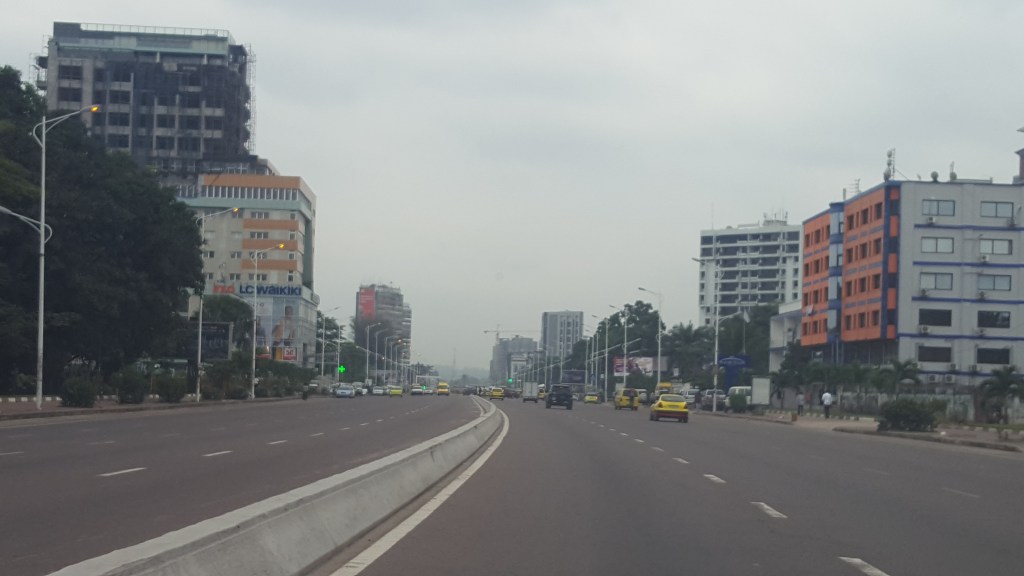
Soon, however, we’d be into the industrial and open-market areas where roads haven’t been repaired since Mabuto took power in 1965 and are non-existent in many areas, raw sewerage runs between people’s houses, with only the rain and mountains of rubbish to wash it away and obscure it from view. No running water, no electricity, no sanitation and no hope for about 11 million of the 11.5 million people living in the city. Everywhere is dusty, even though it’s tropical with rain pretty much every day, everywhere has a smell of rotting vegetation, mingling with the dust, diesel and general stench of decay. An absolute assault to newcomers, something you accept once used to it.
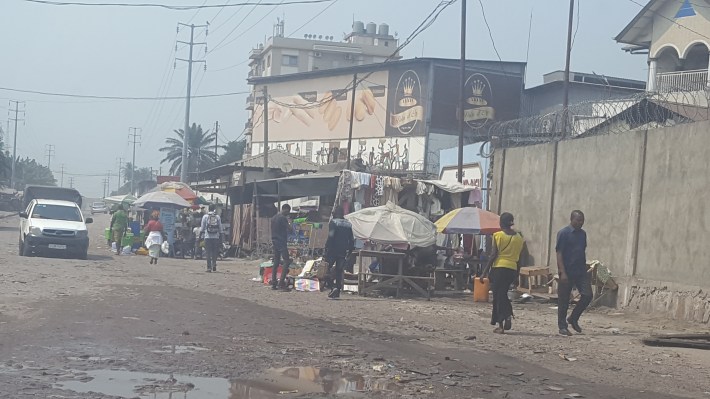
One morning we sat in a rat-infested bakery near Marché Central (output of almost 1 million baguettes a day, but looking like a abandoned Dickensian dump), whilst the finance director tried to extort money from us to grant access to the procurement manager. We left and crossed them off our target list.
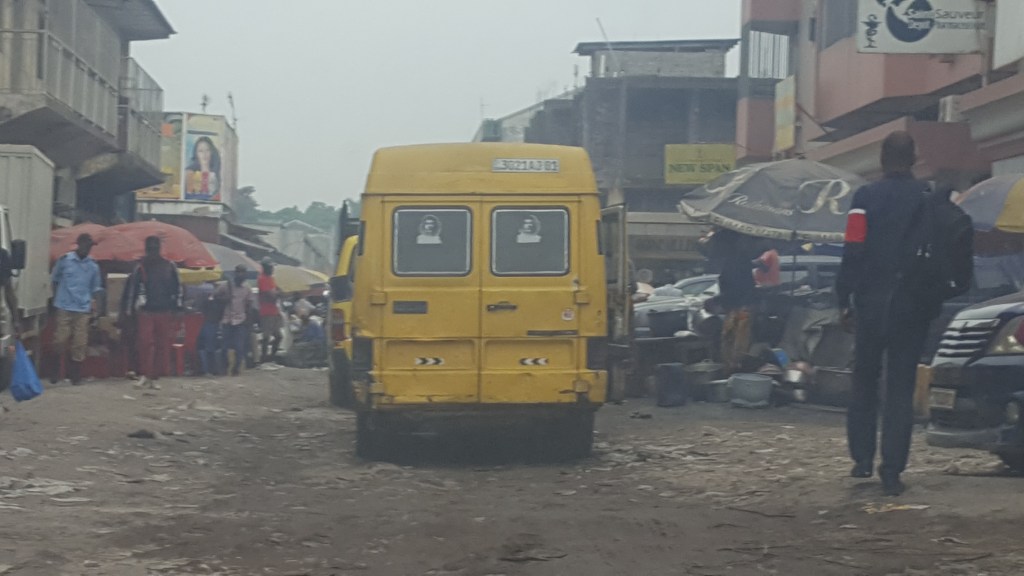
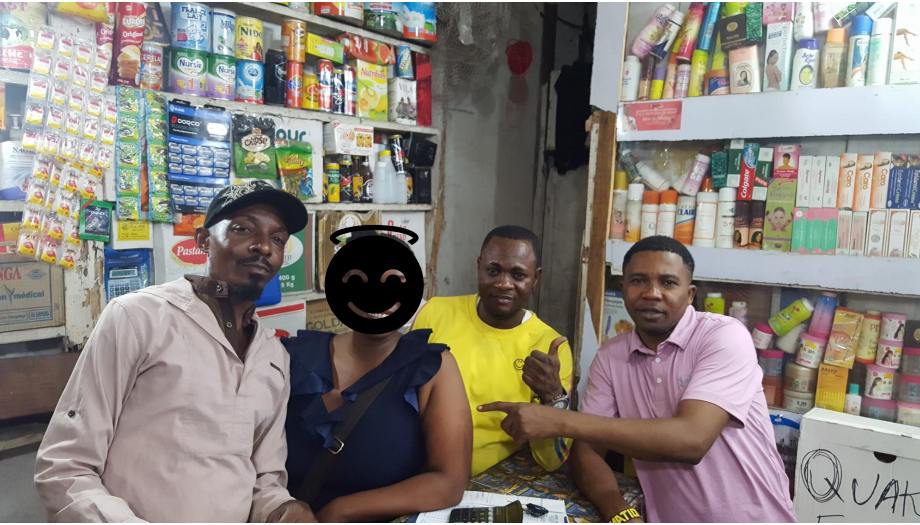
From there, we meandered back in the direction of our car. Several blocks of the city had been cordoned off whilst a new road was built, so we had to park about a kilometre away. We used the time to trek through the labyrinth of shops, wholesalers, kiosks and more asking about prices, ably assisted by a street kid who we paid about US$20 for the couple of hours he was with us. Best money spent on the trip. It was a bit overwhelming for the clients, who needed a coffee. I suggested a place around the corner, and was met with horrified looks.
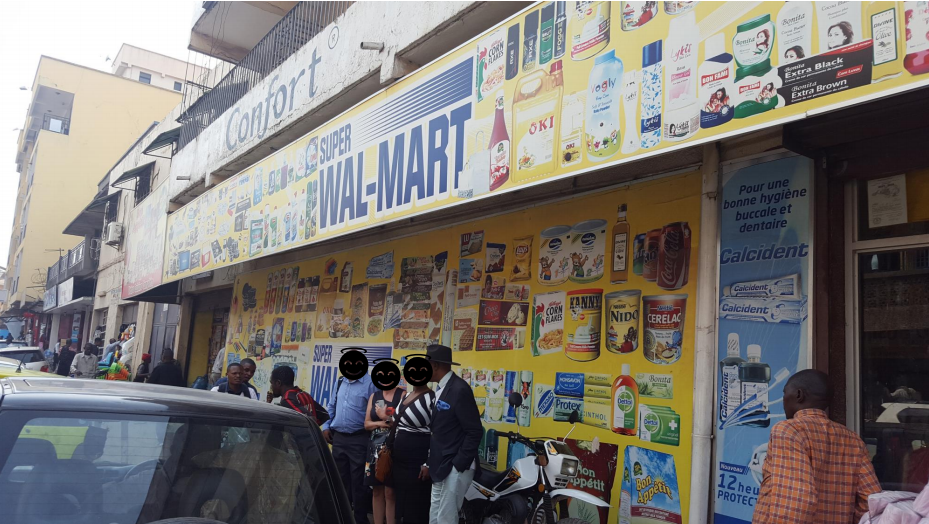
“Trust me” I said, and turned the corner, walked down the potholed, dusty street until the sign came into view: Eric Kayser, the French chain and an absolute godsend. That’s Kin: super-luxury cheek by jowl with chaos and poverty.
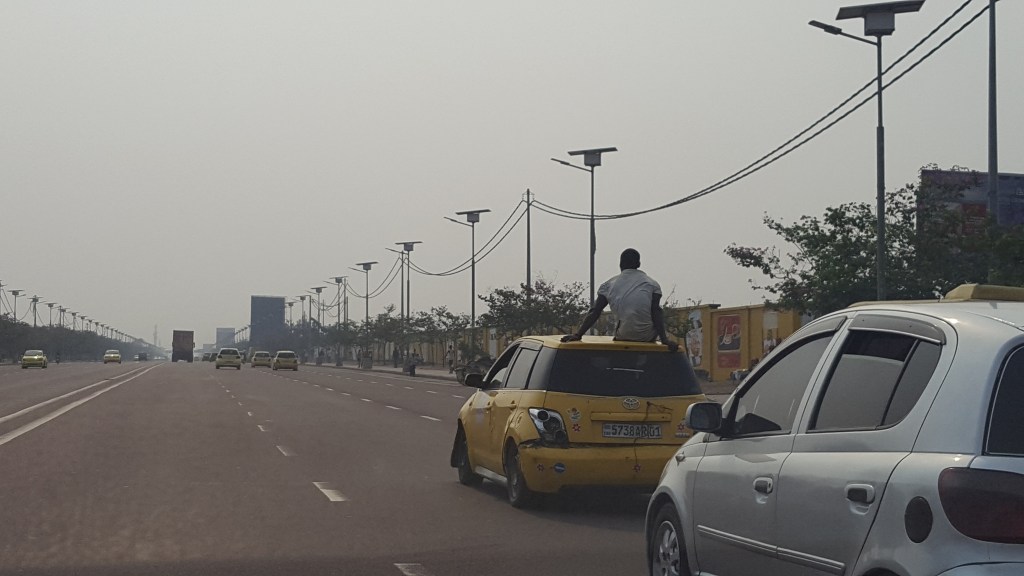
Finally, it was time for the clients to leave. John raced us to N’djili International, vying for precious space on the only road to the airport with trucks, buses, cars, motorbikes, pedestrians and other cars. It’s quite an experience!
John helped us get the clients’ luggage into the check-in queue whilst we headed off to pay the US$50 exit tax, or whatever it’s for – assisted by someone whom John had paid to ensure the authorities didn’t try to extort more from us.
Back in the queue, which had ground to a halt because the computers had crashed. Manual boarding. Two hours for about 80 people. Make small talk, chat about next steps, the upcoming Nigeria visit. I was staying for another field research mission, including a trip to Matadi Port, 350km from Kinshasa, but that’s for another time.
The clients finally went through to board, and John and I left to go back to the city.
Over the course of the week, he had become increasingly confused and I can only think he had dementia or something similar, because he wasn’t the John I knew. Increasingly tired, no longer talking about fabulous tales of the rich and famous he rubbed shoulders with. A tired old man. We arrived and I thanked him for his service, paying him in dollars and giving him the usual tip.
“Au revoir, papa” I said, hugging him. He looked at me and smiled “No, it’s time. Kinshasa has defeated me. Finally. John is going home. To my family in Lubumbashi. They know me.”

As told by Deebee7, obviously.
 Ovally Balls
For light reading, along the lines of Rivers of London, these are fun.
https://www.goodreads.com/series/49714-dr-siri-paiboun
LikeLike
SBT – well, I would start at the beginning, but I am – as you may have noticed – a bit like that! My favourite one is The Sacred Art of Stealing, but there are books that come before it….
LikeLike
Could also read 12 Rules for Life.
LikeLike
His Discovering Personality course is down to 70 bucks on his website. Half the usual price.
LikeLike
……………..anything by Sebastian Barry
LikeLike
I’m reading Zen Guitar at the moment.
I’m to keep my cup empty, apparently, I’m sure they mean beer glass, too.
LikeLike
I’ve seen some bullshit stats surrounding the coronavirus but this really is la creme du le creme:
LikeLike
I stopped reading at kimchi for fear of what it might unleash:
https://www.theguardian.com/food/2020/apr/28/how-to-pickle-bottle-and-preserve-almost-everything
LikeLike
Deebs – I love fermentation. Any kind, anywhere.
LikeLike
‘Rest of the World’ includes large swathes of large populations that have not been tested or are bullshitting about their data too. There’s an article on the Graun today about how deaths in northern Nigeria are rising sharply, but the governor denies any link to Covid-19. I’m assuming this source is relatively accurate and it has the UK at 311/million and the global average at 27/million. However, the UK is not the highest per million – that’s San Marino, followed by Belgium, with Italy, Spain and France all ahead of the UK.
https://www.worldometers.info/coronavirus/?utm_campaign=homeAdUOA?Si#countries
LikeLiked by 1 person
Dunno about San Marino, but Belgium is counting *all* suspected Covid-19 deaths, and I think France, Italy and Spain are at least counting care home deaths.
LikeLike
Thauma – San Marino, Andorra, Sin Maarten and the Isle of Man are all in the 10 when defined by deaths per million population. Isle of Man has a permanent population of about 80,000, so it only needs a handful to be in the top lot. The stat that clot put in the tweet may be roughly technically correct, but the reality is completely skewed by a host of other factors, not least that the world’s largest nations populations wise are possibly fudging their numbers and/or not testing widely, making the comparison less relevant. That doesn’t excuse the Tory response at all, as the UK is still amongst the worst when compared to its peers in Europe.
LikeLike
@thauma
And then there’s the difficulty of distinguishing between people dying with Covid-19 and those dying of Covid-19, which we have no way of knowing.
The best way of looking at the real impact is to look at excess deaths across a number of years that should give you a signal about the probable impact of the virus. Not perfect but it’ll have to do for now:
LikeLike
OT – yes, and there’s no reason not to attribute excess deaths without Covid-19 to the disease as well, since they would presumably have been preventable if not for the coronavirus, whether that’s because of people avoiding hospitals, or treatments and tests being cancelled.
LikeLiked by 2 people
Looking at testing per million population, the UK is a dismal 58th globally – but well ahead of France at 74th. The best of the lot is the Faeroe Islands, which has tested 14% of the population. They’re doing the other three pubs next week. Stats, lies and distortions – you can make ’em say anything, really.
LikeLiked by 1 person
I wonder if this takes into account the ‘revision’ China did of the Wuhan death count…
LikeLike
https://www.nrl.com/news/2020/04/26/for–against-would-quade-cooper-be-a-success-in-nrl/?utm_source=NRLEmail_Top5&utm_medium=email&utm_campaign=2020Premiership&utm_content=Article_1054725
LikeLike
Russia was recording a big upswing in deaths attributed to pneumonia earlier in the year.
https://nplusonemag.com/online-only/online-only/how-russia-learned-to-start-worrying/
LikeLike
If China had the same deaths per million as the UK, they would be approaching 450,000 so far, so i don’t think the Wuhan revision would make a difference. The problem with a bald like for like comparison such as the one in the original tweet is that no two countries are the same. They differ in demographics, structure of spaces, openness to reporting, size and nature of testing, weather conditions and dog knows what else. So it’s a straw man, if I’m using that term correctly. if not, it’s a bullshit comparison should suffice. I remember proving that per capita income, South Africa won more Olympic medals than anyone else a couple of Games ago when our swimmers won a clutch of golds and silvers and we snuck a couple of track and flied ones too. Meaningless, but it made me feel like a champion for a couple of minutes.
LikeLike
drugged up swimmers, no?
LikeLike
Mrs Deebee going to be getting some smokes in a couple of days. She must be pleased.
LikeLike
Meaningless, but it made me feel like a champion for a couple of minutes.
Like the RWC right?
.
.
.
.
.
.
.
.
.
Right?
LikeLike
Deebs – it’s a strawman made of bullshit is what it is. The cream of bullshitting strawmen.
I hate it when people make the most basic comparisons to further their own politics. If they make mistakes but at least try to fairly represent data then fine, not as bad. That Tweet is not in good faith.
I don’t believe China’s figures at all BTW.
LikeLike
A nobody on twitter which anyone can see is a meaningless statistic vs a member of the cabinet’s 1″00,000 tests a day by the end of April” or “We’ll soon be testing 250,000 a day”?
LikeLike
It’s not technically a straw man, but ‘bullshit comparison’ will do! What TomP said too, though.
LikeLike
Tomp – I should have added the usual twitter caveats but people are sharing this shit so I thought it was worth a moan.
LikeLike
Craigs, 720 retweets at the moment. 880 likes. 60 comments. It’s nothing.
LikeLike
Craigs, can you be a bit more specific about which RWC? We have a number to choose from.
#gloatingisfunwhenyouwin
LikeLike
TomP – no. And yes.
LikeLike
One Johnson understands:
Only cracked the once:
To be fair to her, a pink Prada headband in satin is 190 quid whereas a pink Prada headband in nylon comes in at 190 pounds.
vogue.co.uk/miss-vogue/article/lara-johnson-wheeler-quarantine-wardrobe
LikeLike
LikeLike
The whole page is amazing. Hairclip for 225 quid? Well, it is plexiglass.
https://www.prada.com/gb/en/women/accessories/hair_accessories.html
LikeLike
@thauma
it’s not clear from that what the y axis is. Once you realise it isn’t numbers of excess deaths, more standard deviation from the mean it can be explained by the UK having lower volatility in excess deaths rather than it being excessively dreadful. I expect Ed Conway doesn’t know this.
LikeLike
I submit to m’learnèd friend!
LikeLike
@thaum
I didn’t know until I looked it up myself. It just seemed suspiciously higher than other metrics that we have seen. Thankfully the answer was on twitter, which is something you don’t hear often.
LikeLiked by 2 people
Hello, everybody. Hope you’re all fine, safe and careful. That thing is nasty and here to stay for a long time apparently.
Number of covid19 deaths in France in hospitals: 13000. Number of deaths in care homes : 9000. About 2/5 of the total recorded. Some GPs warn that there could’ve been just as many (9000) who died at home. So, I’d take any statistics on the subject with a bit of salt before comparing each country’s “success”.
Except Germany (and for how long?) no major European country did well on that matter. Inertia is the strongest force we know.
Great words, Deebee, thanks.
LikeLiked by 8 people
@flair
This statement should be tattooed on the inside of every journalists eyelids until this crisis is over.
LikeLiked by 3 people
Conway has already backtracked a bit and moved the goalposts. This statement proves he doesn’t understand what the chart is showing
LikeLike
It was worth a moan.
*sulks*
LikeLike
In other news, I got paid today for the first time since December. The kids won’t have to sell (all) their organs to go to uni. Fuck yes, fuck yes.
Money isn’t everything, just most of everything.
LikeLiked by 7 people
Did I post on here about the lead up to the birth of the NHS etc?
I don’t want to repeat a post and I definitely remember posting a bit drunkenly one night about it
LikeLike
OT – lol, the shape of the graph tells us everything even when you don’t understand the parameters.
LikeLike
Dunno, Ticht, I missed it, do it again.
LikeLike
Craigs, thats one hell of a paycheck if its gonna get your kids thru yoonivarsity. Mines a double.
LikeLike
Sbt – it wasn’t even a proper paycheck. They screwed up the payment so paid an emergency amount to tide me over till next month.
LikeLike
SBT – don’t complain about Craigs saving the organs. Just think of the wonderful noise they’ll make when they all play them at once.
LikeLike
Deebee – “can you be a bit more specific about which RWC? We have a number to choose from.”
Choose any cricket one you like.
LikeLiked by 2 people
Ok, this is what I posted before cutting it
I don’t remember if I posted this on this site on not, but I did post it somewhere a couple of weeks ago, so apologies if it’s a repeat.
There is talk of the dangers to the economy under a continued lockdown. Okay there are logistical dangers, we need to get people in fields to harvest food and then plant food for next year, that can be done – we built massive ICU hospitals in a ridiculously short period of time, we can do the necessary to ensure the food supply. Same with any manufacturing that is needed.
So, to the overall economy, 120 years ago the British Empire were involved in the Boer War, then there was the First World War, then the Spanish flu epidemic (the second wave being more deadly than the first*) – estimates of mortality range from 25 to 39 million deaths from that pandemic.
Then there was the Wall St crash and the Great Depression, then the Second World War.
After all that the UK built the NHS and the Welfare state, including universal education, healthcare and pension provision, “From Cradle to Grave”
All the while paying off debt to the USA
That was all a political choice, just like the austerity that led to a lack of funding for the NHS was a political choice
(*this is important in the light of the wingnuts calling for a lifting of lockdown conditions, there WILL be a massive second surge of deaths if we lift lockdown too soon. )
LikeLiked by 1 person
I reckon that for better or worse I’ll be stopping going to work just as every other bugger who’s still got a job goes back.
LikeLike
@ticht
Hear, hear. We’ve learned a lot in the past few weeks. Many global supply chains have shut down and we’ve largely done ok. Some of our most skilled engineers in places like North Wales and the West Midlands are now even more skilled than before. We might even see some reshoring of manufacturing and rebalancing of the economy.
LikeLike