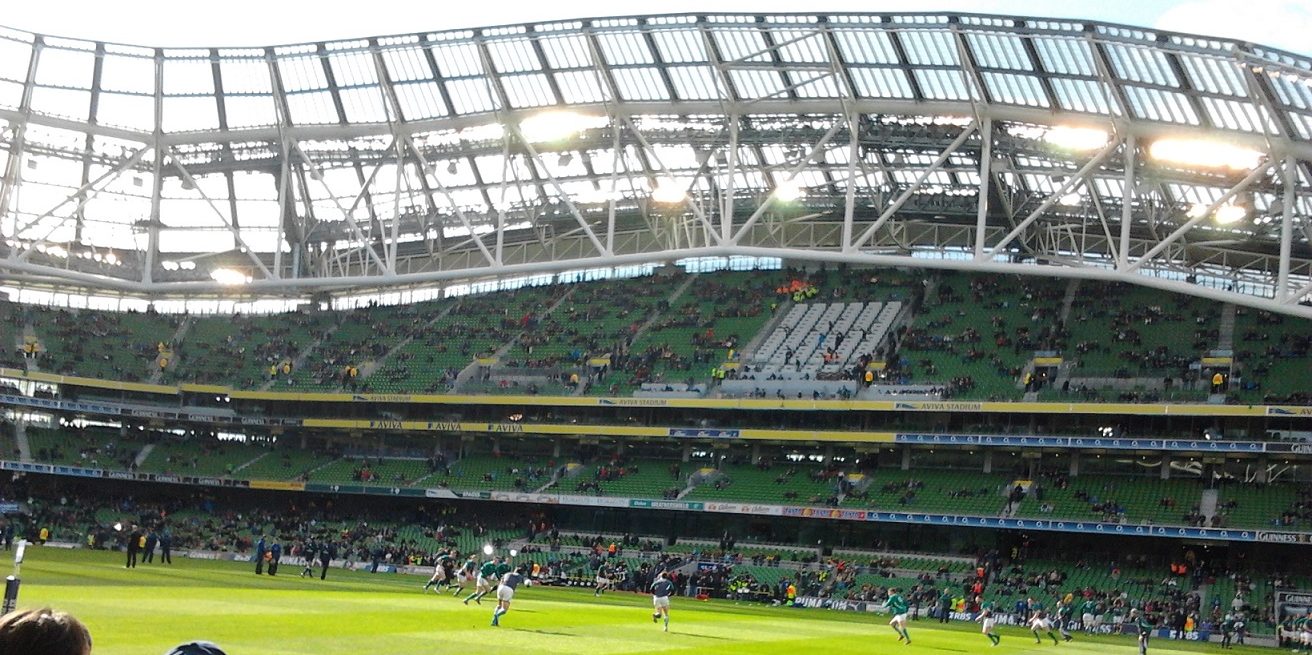
It was a comfortable flight, given that we were flying through the tropics, where turbulence is commonplace and losing your dinner tray (and dinner) not unheard of. I looked out the window as we descended through the perma-clouds over Kinshasa and smiled as the magnificent Congo River momentarily came into view, pointing out to my clients that the land they saw wasn’t the other side of the river, but the island in the middle of Stanley Pool. At this juncture on the river, it goes over the earth’s curvature, meaning you can’t see the opposite bank if you’re standing on the river’s edge.
We disembarked into the oppressive late-afternoon heat of crazy Kinshasa and made our way through passport control and luggage collection. All smooth so far, I smiled and rang our driver, John, who I always use on trips to the world’s largest French-speaking city. A grand old fellow who knows everybody and taught himself to speak English, of sorts, a godsend in the city. No reply. WhatsApp him. No response. “Monsieur Ducan?” I heard and turned to see a young man holding his phone out to me with my WhatsApp profile photo on it. “Yes, are you with John?” I replied. No English. Shit.
He escorted us around the back of the airport, where he had parked for ‘free’, guarded by the airport security you’re supposed to tip for the pleasure of walking around for 20 minutes. A grand ceremonial salute from the guard got him a couple of dollars – not too much or too visible, or the driver may think we’re loaded American or European businesspeople. Out of nowhere, a young lady approached us and introduced herself as John’s niece and explained he’d asked her to fetch us.
“John’s gone back to Lubumbashi,” she said. Strange, I’d spoken to him twice during the week to confirm arrivals and prices for Kinshasa, not Lubumbashi over 2,000 km south and inaccessible by road. The driver is her boyfriend, who will drive us for the week, she informed me.
“But I need John, because he speaks English!” I protested. “Don’t worry, when you need something call me and I will talk to the driver,” she said. Ah, fuck! Here we go. Never a simple transaction in the bloody Congo. “Let’s talk tomorrow,” I snapped back ditching my serenity for a moment, largely because my clients were looking terrified.
The following morning, being a Sunday, we had decided to do a tour of the supermarkets, bakeries and informal markets of Kinshasa to look at prices, brands and availability of the clients’ products – a nice easy way to introduce them to one of Africa’s most vibrant, fun, frustrating and sometimes scary cities.
I called our lady friend to tell her the driver was now an hour late. “He has to fetch another car, this one is broken. He will be there before lunch” she offered.
I approached the concierge of our hotel, located right on the banks of the river and looking across to Brazzaville in the other Congo. The hotel, that is, not the concierge. He was at his desk. “Are you able to find us an English-speaking driver, please?” He smiled and assured us he would. We walked with him to where the taxis park under the trees opposite the hotel. He waved a car over, which looked familiar, but then old, battered and with a cracked windscreen is normal in Kin. “He will help you” said the concierge and walked off.
A bent figure slowly emerged from the car, polished immaculately (the car, not the driver etc.), dressed in a three-piece suit, cravat and fedora. “John!” I shouted happily, “where were you yesterday, patron?” A look of confusion gradually gave way to the smile of the inimitable Mr. Matadi (Matadi is apparently Lingala for rock, so I call him Mr Stone, much to his amusement). Finally he recognised me! I gave my clients a thumbs-up, because now we were with the man who knows Kinshasa intimately – the streets, the history, the characters, the tales. An absolute gem of a man. “I know him!” he shouted to my clients and everyone else within earshot, “I know him!”
And so we set off on the day’s mission, John regaling tales of the Rumble in the Jungle – “Ali? I know him! I drive him in Kinshasa! 1974! Zaire, but Mabuto was a bad man. But he made Kinshasa famous by bringing Ali to us. I know him! Too clever for George. I was boxing then. I know, I know.”
John still couldn’t say how his ‘niece’ had come to collect us.
The week flashed past, with meetings held with the largest importers and distributors in DR-Congo, an array of retailers from large to small and bakeries, some of which produce over a million baguettes a day to satisfy the insatiable appetite for bread in Kin; small patisseries and local Lebanese bakeries; logistics and transport companies, warehouses and a range of other players in the market. The reception was, for the most part, wonderful. It’s a difficult country and market and people are really accommodating when you’re looking to do business with them.
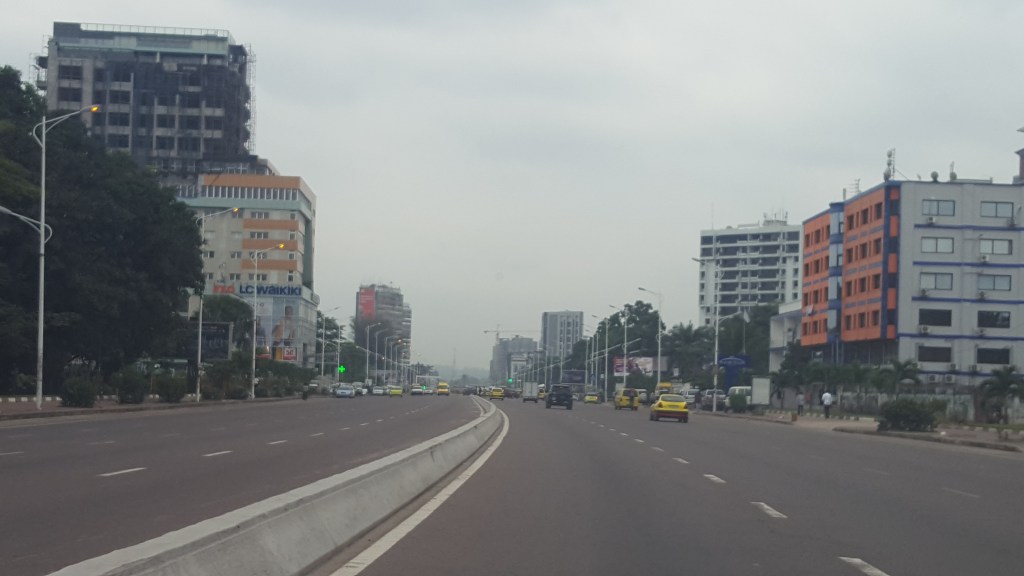
Each day started and finished in the clean, wide, tree lined streets of Gombe, the part of Kinshasa where most of the Embassies, rich and famous and importantly, the President, live. It’s very secure (our hotel being next to the presidential compound), quiet, with great restaurants and vibrant, raucous nightclubs not too far away.
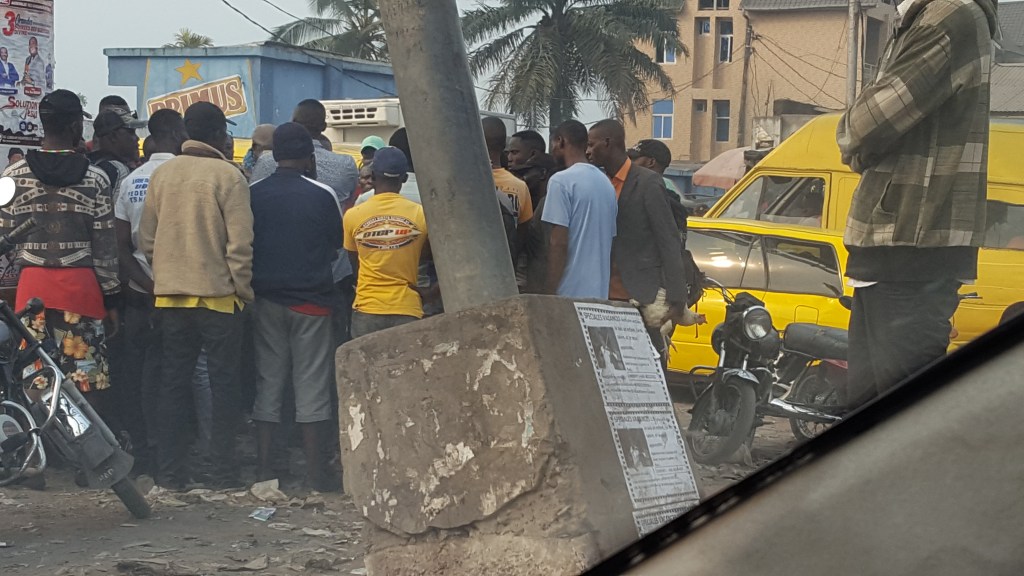
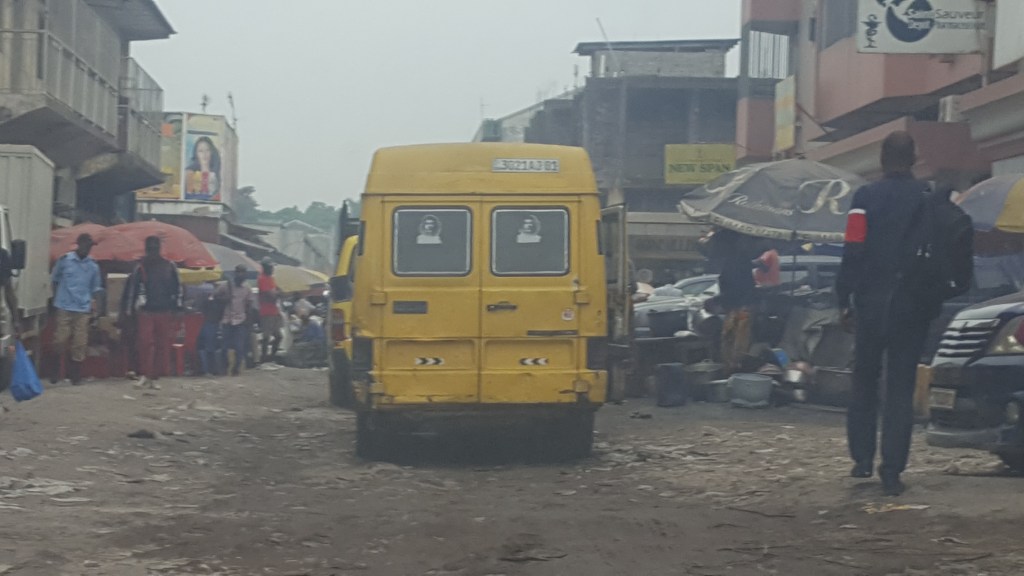
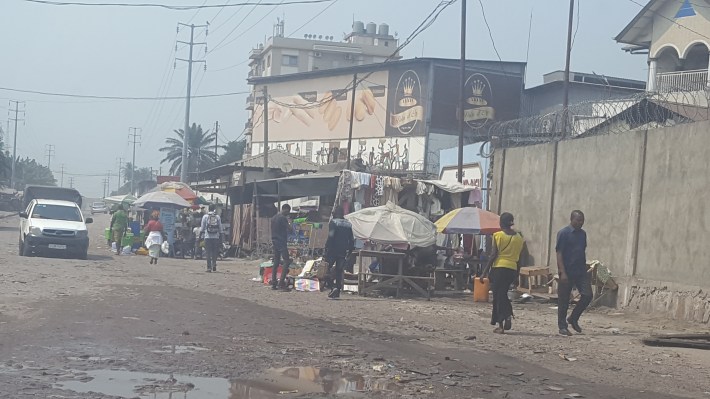
Soon, however, we’d be into the industrial and open-market areas where roads haven’t been repaired since Mabuto took power in 1965 and are non-existent in many areas, raw sewerage runs between people’s houses, with only the rain and mountains of rubbish to wash it away and obscure it from view. No running water, no electricity, no sanitation and no hope for about 11 million of the 11.5 million people living in the city. Everywhere is dusty, even though it’s tropical with rain pretty much every day, everywhere has a smell of rotting vegetation, mingling with the dust, diesel and general stench of decay. An absolute assault to newcomers, something you accept once used to it.
One morning we sat in a rat-infested bakery near Marché Central (output of almost 1 million baguettes a day, but looking like a abandoned Dickensian dump), whilst the finance director tried to extort money from us to grant access to the procurement manager. We left and crossed them off our target list.
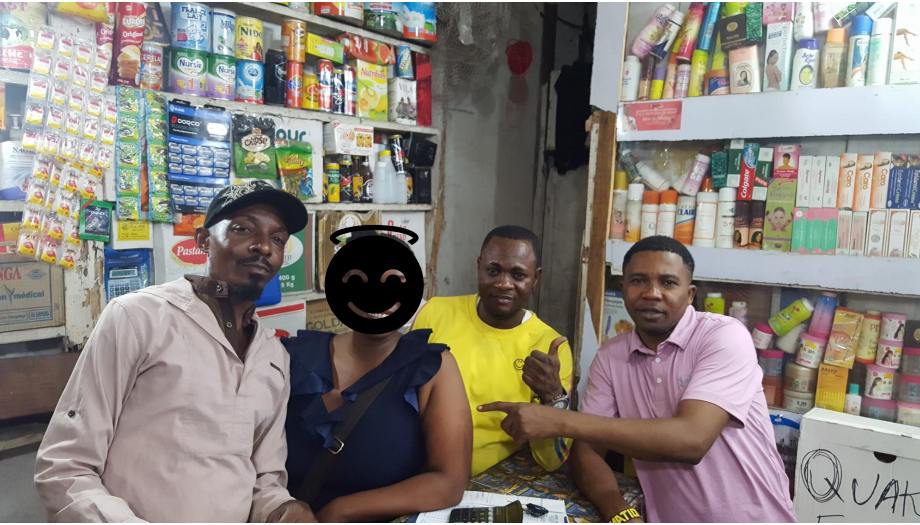
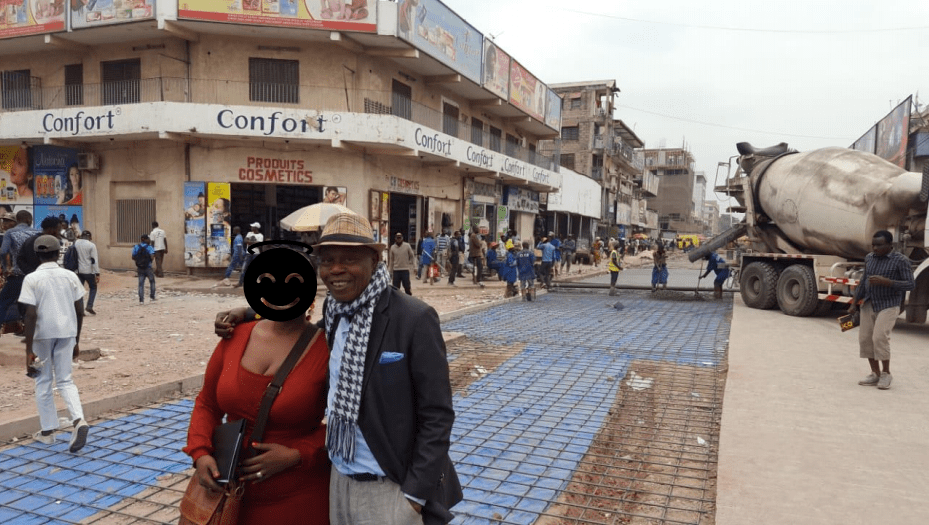
From there, we meandered back in the direction of our car. Several blocks of the city had been cordoned off whilst a new road was built, so we had to park about a kilometre away. We used the time to trek through the labyrinth of shops, wholesalers, kiosks and more asking about prices, ably assisted by a street kid who we paid about US$20 for the couple of hours he was with us. Best money spent on the trip. It was a bit overwhelming for the clients, who needed a coffee. I suggested a place around the corner, and was met with horrified looks.
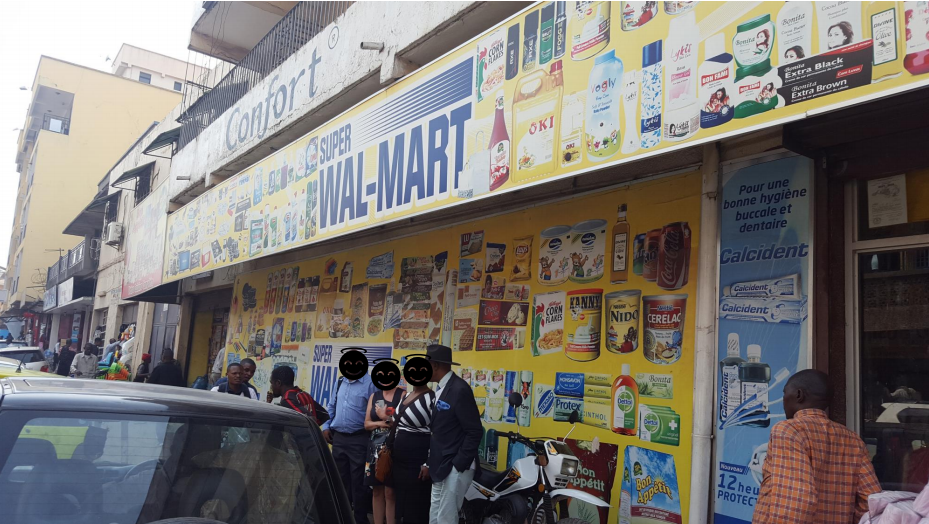
“Trust me” I said, and turned the corner, walked down the potholed, dusty street until the sign came into view: Eric Kayser, the French chain and an absolute godsend. That’s Kin: super-luxury cheek by jowl with chaos and poverty.
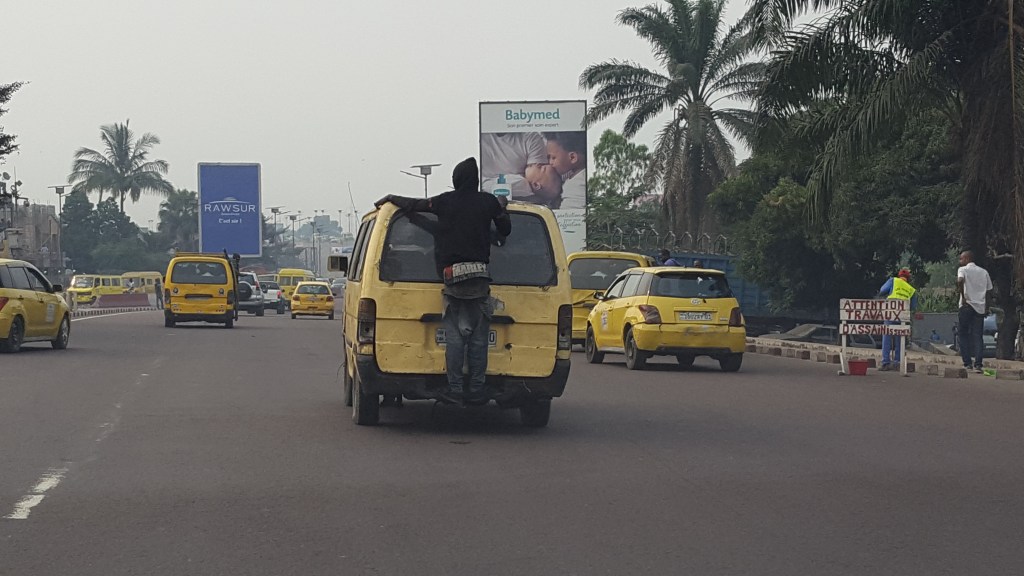
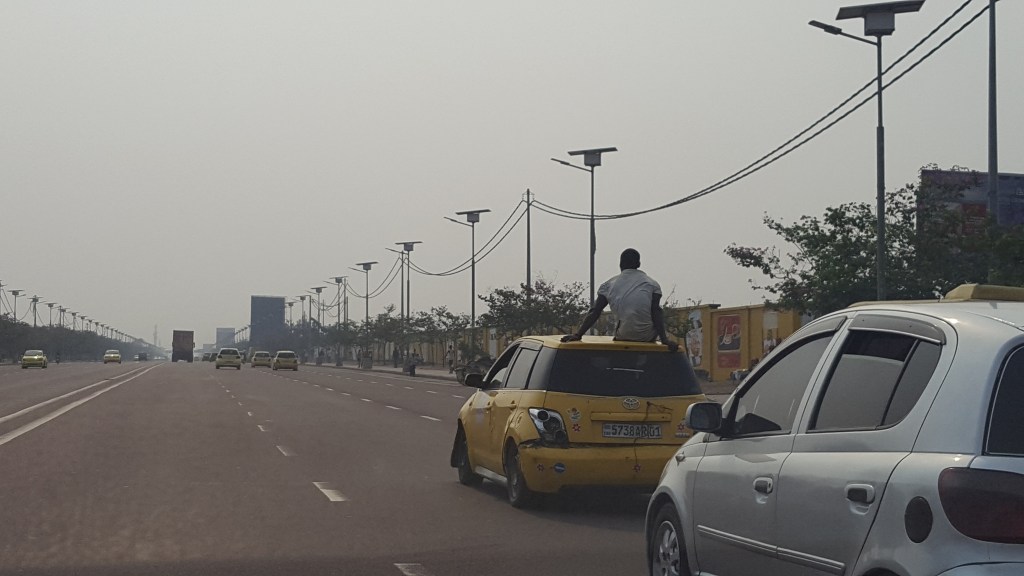
Finally, it was time for the clients to leave. John raced us to N’djili International, vying for precious space on the only road to the airport with trucks, buses, cars, motorbikes, pedestrians and other cars. It’s quite an experience!
John helped us get the clients’ luggage into the check-in queue whilst we headed off to pay the US$50 exit tax, or whatever it’s for – assisted by someone whom John had paid to ensure the authorities didn’t try to extort more from us.
Back in the queue, which had ground to a halt because the computers had crashed. Manual boarding. Two hours for about 80 people. Make small talk, chat about next steps, the upcoming Nigeria visit. I was staying for another field research mission, including a trip to Matadi Port, 350km from Kinshasa, but that’s for another time.
The clients finally went through to board, and John and I left to go back to the city.
Over the course of the week, he had become increasingly confused and I can only think he had dementia or something similar, because he wasn’t the John I knew. Increasingly tired, no longer talking about fabulous tales of the rich and famous he rubbed shoulders with. A tired old man. We arrived and I thanked him for his service, paying him in dollars and giving him the usual tip.
“Au revoir, papa” I said, hugging him. He looked at me and smiled “No, it’s time. Kinshasa has defeated me. Finally. John is going home. To my family in Lubumbashi. They know me.”
As told by Deebee7, obviously.
 Ovally Balls
Paraphrase from the commentary – “South Africa have won two world cups without scoring a single try in a final”
90 secs later
Mapimipi chips, Am takes and immediately gives the most delicious pass back to Mapimpi for the try
I can’t tell a lie, I did laugh
LikeLiked by 1 person
Then Kolbe, what a try
LikeLike
I have watched that try loads of times. It’s beautiful rugby. Apparently, Am and Mapimipi were talking the whole through it in Xhosa.
The second try is just fabulous – the Marx tackle, Am’s genius at slowing down to get the ball, PS du Toit’s pass and then Cheslin just gassing Farrell and the Fat Ladz to go over. Gorgeous.
LikeLike
Vermeulen got motm, but Am, Faff or du Toit were more influencial in my book, or you could go for Koch and Mtawarira, they set the tone for the whole game
LikeLike
And isiXhosa commenary is just the best for that try:
LikeLike
Tam, I can’t understand one word ba the names, but I know exactly what is being said.
Great stuff
LikeLike
Point of order/pedantry – Frans Malherbe was the starting tighthead, I gave credit to Koch for that, but all of them plus Kitshoff (my guy) did so well in that game bar one scrum that just went to fuck for some reason – I played it back and England just out scrummed them, South Africa must have switched off for that one scrum
LikeLike
Pollard was really strong in that game as well and de Allende was tough on the ball too. George Ford is a good player but there were 3 big wins by Pollard on a high ball, Pollard with a smash carry through Ford and du Toit with a seek and destroy mission on Ford in defence that really went for him. Not the reason why SA won but a great way to take out one of the oppostion’s important players.
LikeLiked by 1 person
South Africa were really really good in that game, the brilliant England that demolished New Zealand were just bullied off the park.
All credit to the Bokker
LikeLike
“Pollard was really strong in that game as well and de Allende was tough on the ball too. George Ford is a good player but there were 3 big wins by Pollard on a high ball, Pollard with a smash carry through Ford and du Toit with a seek and destroy mission on Ford in defence that really went for him. Not the reason why SA won but a great way to take out one of the oppostion’s important players.”
I actually think it’s an example of exactly why South Africa won – it was all about power, the Boks just demolished England in every department. The gorgeous tries were the result of England playing on the back foot for a huge percentage of the game, they never really looked like scoring themselves.
LikeLike
Ticht, the isiXHosa commentary is always good.
LikeLike
Power plus a lot of skill.
I said it before here but I’m not sure England shouldn’t have gone for the scrum at the penalty on 30 minutes. Wales did so from a similar position the week before and got quickish ball and a good score. England were on the up at that point. They couldn’t trust the scum, though, and took the 3. Getting in front of SA was important for the game. The first 20 minutes SA played against NZ was magnificent but NZ were able to take their couple of chances and keep the SA team out in the 2nd half. As well as the Boks played England had a chance.
LikeLike
@TomP – I guess you could argue the Boks didn’t really let anyone look all that good in possession. NZ for a critical ten minutes, Japanfor a bit until they got overpowered but they didn’t get many points. No surprise that Wales got closer than anyone apart from the All Blacks as our game was all about not looking good with the ball.
LikeLike
I saw this yesterday (bastards) :
LikeLike
All those guys in that video speaking in their (at least) second language as well.
LikeLike
Anyone remember the comedy boks? Rassie did an amazing job.
LikeLike
Tomp – it’s funny that, after being kicked out, the language remained. They could easily have been speaking Africaans as the common language if history had been slightly different.
LikeLike
Who got kicked out?
LikeLike
Boer war etc
LikeLike
South Africans with surnames like Vermeulen and van der Westhuizen suggest they weren’t kicked out.
LikeLike
Ah shit, I thought we lost that war.
LikeLike
Nothing to see here.
*whistles*
LikeLike
I miss Chek.
LikeLike
Not to mention Pienaar….
LikeLike
The South African War is the preferred term nowadays, Craigs.
We, the British, did lose the Anglo-Boer War in the early 1880s but then gold got found and that meant another confrontation became inevitable.
LikeLike
The treaty that ended the war is called the Treaty of Vereeniging after the town it was negotiated in. It was signed at Melrose House in Pretoria. There used to be a fairlly good antique fair at Melrose House twice a year, some good second-hand books available.
LikeLike
Apologies. I didn’t realise ‘boer’ had negative connotations. At school it was called that.
And I was confusing the results of the first with the second. Should have known the British Empire would go back to settle the score.
LikeLike
And get the gold.
LikeLike
It’s more that if you reduce to Imperial power vs “Boer”, you miss out quite a lot of other people that were involved.
The history of Afrikaans is really fascinating. It’s not definitely not right to think as the preserve of the white Afrikaner.
A number of the players in 1906-07 Springbok touring side to Europe had fought in the war, on either side, and a couple were held in concentration camps.
LikeLike
I should have said prisoner of war camps rather than concentration camps. Phil Mostert, a later Springbok captain, was a very young when held in a concentration camp with his mother and siblings. His dad was a commando and died during the war.
This is from the introduction to an article by Floris van der Merwe from 1997:
“The study undertaken found that the prisoner-of-war camps of the Anglo-Boer War were instrumental in promoting the game of rugby union football amongst a vast number of Afrikaners (Boers) who had not played the game before. In the case of Portugal, it appears that the Boers introduced rugby to the Portuguese. Secondly, rugby wad a powerful weapon against the stress and boredom of wartime imprisonment.”
There were camps all over the world – Sri Lanka, St Helena, Bermuda (no rugby in that one cos of rocky fields apparently).
https://www.researchgate.net/publication/242159541_Rugby_in_the_Prisoner-of-War_Camps_During_the_Anglo_Boer_War_of_1899-1902
LikeLike
It’s political correctness gone mad etc etc.
LikeLike
The name’s out. The name’s out.
Wilfred Lawrie Nicholas Johnson.
Wilfred is not Captain Tom.
Lawrie is not Captain Tom.
Nicholas is not Captain Tom.
I have to admit I had some vague doubts about Boris Johnson’s suitability to be PM at various points in the past but really hangnig’s too good for him.
LikeLike
So angry I can’t spell hanging.
LikeLike
Apparently the Nicholas part is after two doctors who treated Boz, and the other two names after to do with grandfathers. Considering the names of his others kids (the ones we know about, anyway) I think this one got off lightly.
LikeLike
This one’s got a different grandfather.
LikeLike
Er, TomP. Actually I think you’ll find it’s Colonel Tom.
How dare you.
LikeLike
Captain Tom is Captain Tom. This grandfather and doctors stuff is Communism.
LikeLike
So, he’s named his child Willy Johnson? Why not just Penis Penis and go the whole hog.
That kids gonna get slaughtered at school.
LikeLiked by 2 people
Colonel Tom is his name now, OT. When he first became the Captain Tom of Our Hearts he was Captain Tom..
And as the man (real name Captain Tom) is number one as Captain Tom then Captain Tom it should be.
https://www.officialcharts.com/chart-news/tom-moore-celebrates-100th-birthday-becomes-first-centenarian-to-have-a-number-1-single__29597/
LikeLike
He actually peaked
LikeLike
Ahem got interrupted.
He actually peaked much earlier than that. Imagine having the great Ruth Madoc paying tribute to you
LikeLike
He’s from Tipps End.
That’s funny.
LikeLike
refit, his dad can quote Ancient Greek, which’ll give him a lot of cachet.
LikeLike
At least it wasn’t Su Pollard.
I really really really don’t understand Britain.
LikeLike
This did get to number one
LikeLike
Is there anyone on OB who has an anecdote about Su Pollard I wonder?
OT, the BBC Archives clip of the day is a curate from Chadderton who could mimic the noises of various forms of treansport.
Plus, I was re-reading Eric Hobsbawm’s Age of Industry they other day and Oldham got a mention in that, but the information was probably wrong.
LikeLike
“He actually peaked”
You’re thinking of Captain Tim.
LikeLiked by 1 person
You know I do.
Friends of mine who went to the non Catholic school in the centre of Oldham said one of their teachers was married to Su Pollard. Although apparently he didn’t like to admit it and refused to talk about it.
LikeLike
Tony “Hitman” Taylor indeed.
Fun fact: Pete Waterman used to go around the country making TV shows as a cover for his part-time job as a paid assassin.
LikeLike
Wales vs Scotland 1982 on BBC Scotland channel. Bill and Gareth on commentary, Real Eddie on the field. Laidlaw and Rutgherford as well, bright red Welsh shirts, proper blue Scotland shirts, plus THAT try.
LikeLike