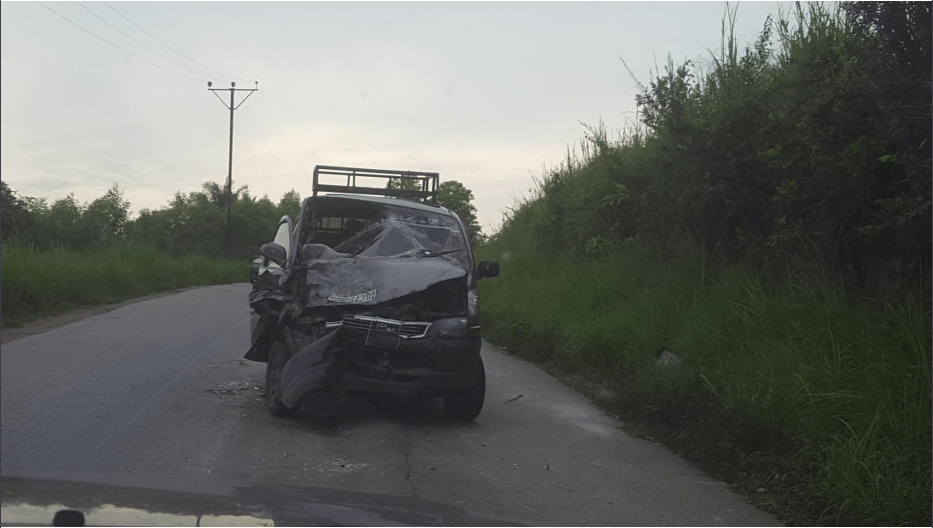
quite possibly weeks or longer.
Having left Matadi and a newly enriched Customs Officer, we drove back on the Kinshasa road to Lufu, or any of the other names that towns in this part of Africa get called, depending on your language and which side of the border you nominally originate from. Lufu gets its name from the Lufu River, which runs from northern Angola to the Congo River (presumably) traversing the sliver of land that King Leopold managed to get to ensure that his colony had access to the sea. It’s less a town on the Congolese side and more of a crazy, uncontrolled (to the unfamiliar eye) trading post, where commodities ranging from cement and rebar to beer, plastic products, clothes and bulk food items, are traded across borders depending on exchange rates, availability, who you’re paying off and whether you’ve fuel in your truck (or motorbike for the micro-traders) to make it to Kinshasa.
Mo spent a good deal of the journey speaking to his boss and explaining the loss of US$800 and whether it was worth approaching their friend, the head of police in Kinshasa, to try to get it back. It was decided that route would be more costly in the longer run. “You sleep in shitty hotel tonight!” roared Mo laughing away, because we had to overnight in the nearby town of Kimpese in order to finish our investigation after the delays.
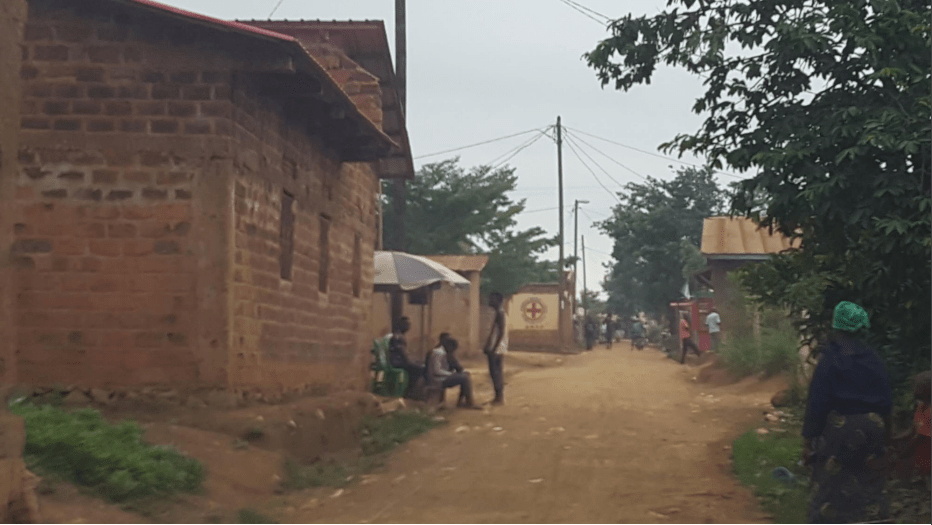
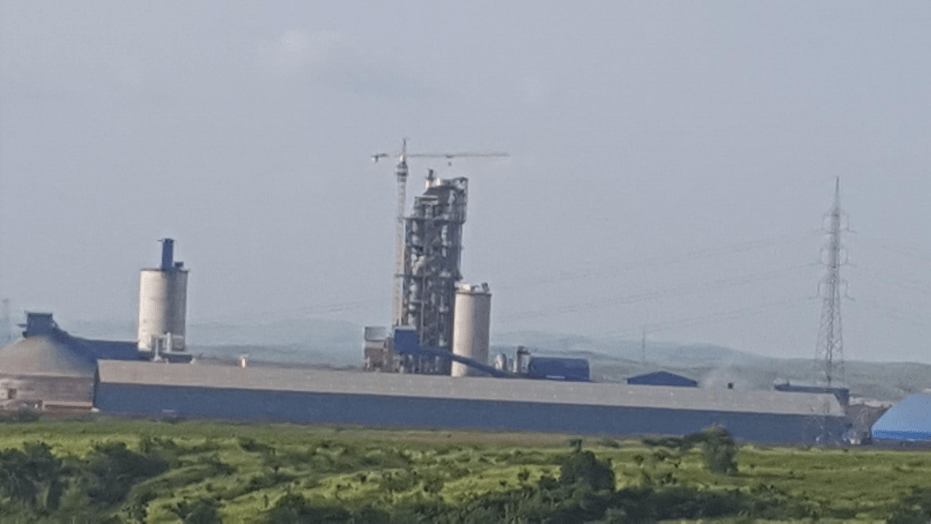
Kimpese is more hamlet than town, more shithole (thanks Dumb Donald!) than hamlet, with a handful of streets of formal houses and potholed dirt roads hidden behind the chaos and colour of the roadside informal trade. It’s also the epicentre of the cement industry in this part of the DRC, with all of the plants within a few kilometres of each other, located on huge limestone reserves.
because they have no education of use to a modern industrial plant.
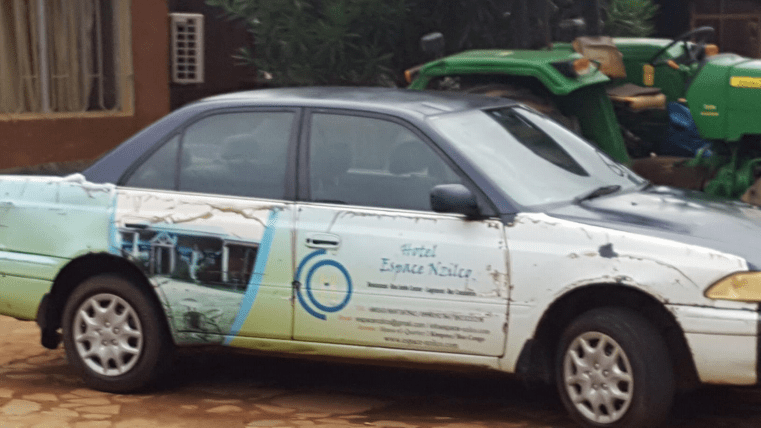
The grandly-named Hotel Espace Nzilco was our place for the evening, and it looked as inviting as Mo had described it as. We checked in, Mo slipping the receptionist a little something extra with a none too subtle wink and grin, and went to unpack. Basically, the rooms are bungalows and resembled old military quarters from Belgian days, which a number of places I’ve stayed in in the DRC were. No Wi-Fi, so the bar and dinner it would be. Mo was already in full flight buying beer and whisky and chatting to whoever was in the bar. “My expensive friend!” he shouted as I walked in, telling the story in French to those listening and laughing. “Come! Drink shit whisky from you British and good beer from us Congolese!” Right on both counts. I chatted to a couple of Pakistani guys I’d worked with a couple of years before on a project not too far away. They drank like fish in the solid knowledge that what the imam couldn’t see, he couldn’t tell Allah (their words, more or less, not mine). Mo’s roving eye after a very good dinner of peri-peri chicken, freshwater fish and vegetables was my cue to grab a couple of bottles of beer and head to bed.
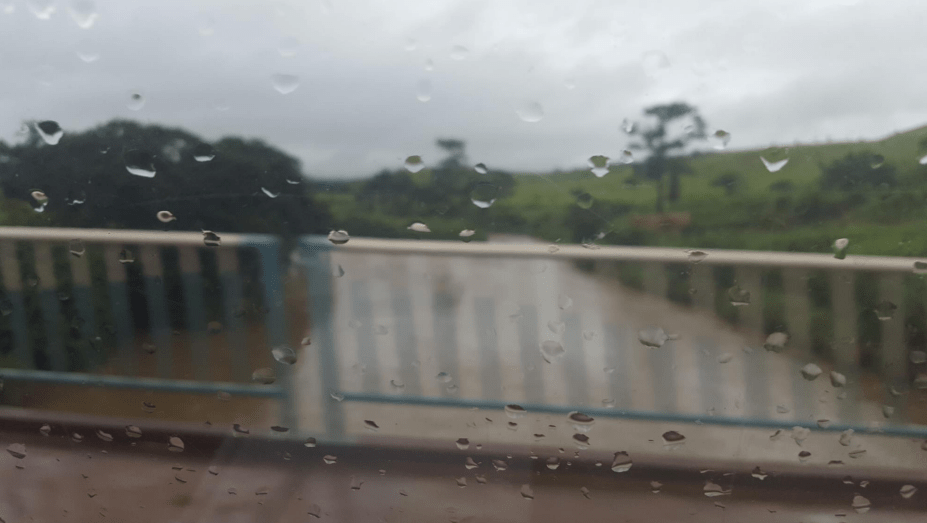
The next morning, we drove back to Lufu to inspect the border and try to understand the volumes of product crossing it, but we couldn’t get too close to the police or customs officials on account of my dodgy passport. We did some sums in the drizzle, and spoke to traders bemoaning the broken bridge, which would only take small vehicles as some of the supports had collapsed, meaning the cement and steel trucks had to offload onto small trucks and cars, get the goods over and then load up on trucks again on the other side. The Angolans, supplying most of the goods, wanted to fix it but the Congolese, trying to protect their dire, expensive and corrupt local industries were happy enough to leave it be to increase the costs of getting stuff to their side.
After a while watching, and trying to take pictures without getting seen (“No fuckin’ click-click – these cops’ fuckin crazy!”), we headed back out with a rough idea of what was going on. On the muddy, slippery road you have to drive slowly, but not everyone does. We saw a small truck lose control and careen down a small embankment, spilling all the fresh produce and breaking most of the beer it was transporting. The owner of the stock, a young lady, was sobbing. As much as the fright she got, that was her income gone for a few weeks, maybe more. Life on the margins is tough. It’s shit. Mo accelerated past the gathering crowd, all of whom were offering opinions as to whose fault the accident was.
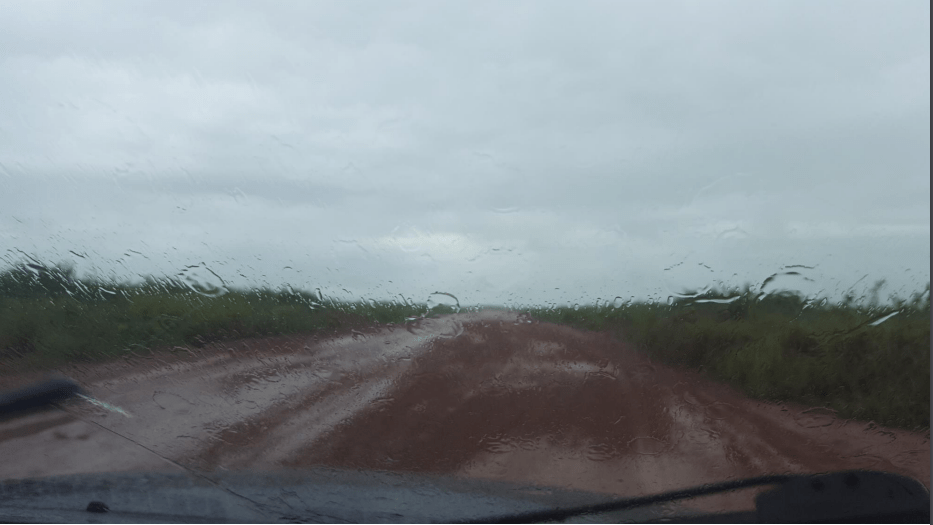
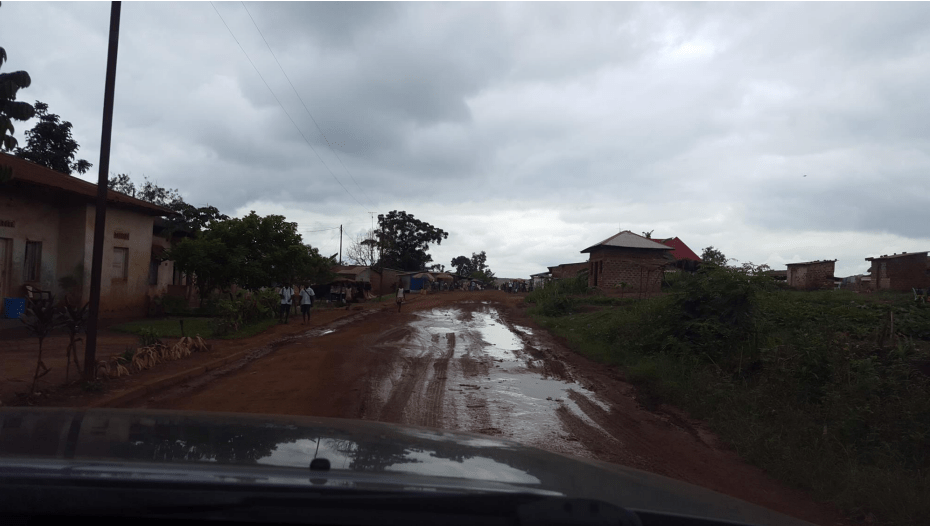
doesn’t really give a sense of how slippery and potholed the road is – and unstable
on the sides, with bits caving in if large trucks get too close to the edges).
We got to the second town of Kongo Central Province, Mbanza Ngungu, and got stuck in the ubiquitous funeral procession, apparently for a well-known local musician. Mo wasn’t in the mood for dishing out cash, and kept his window closed. Apparently his wife was waiting for him. We got back to Kin without any further delays, and I’ve never been so happy to see a proper bed, hot running water, a restaurant and, most of all, familiarity.
A last day in Kin and I had an excellent meeting with a young guy from the investment promotion agency. Chatting through what I needed in terms of project information and our trip to Lufu, he smiled and said, “but we collect that trade data – even the informal trade, so we can know if our traders are being honest with volumes and prices”, and proceeded to e-mail the spreadsheets on the spot. What a win!
With a spring in my step, I went into my final meeting, with the national power company, looking for an outline of current and upcoming projects. The cantankerous bastard wouldn’t have been out of place in a recreation of Heart of Darkness and openly asked for money. Two faces of the Congo in one day, one old, one new; one condemning 80 million to poverty, the other swimming upstream to create a better life. All with the memory of the broken woman fresh in my mind.
It’s the Congo. It’s tough. It hurts you in ways you don’t expect; it thrills you in ways you can’t explain. It hardens you and teaches you humility and kindness all in one. It leaves you exhausted and angry; it creates a kaleidoscope of memories, vivid, jarring and spectacular. It never disappoints.
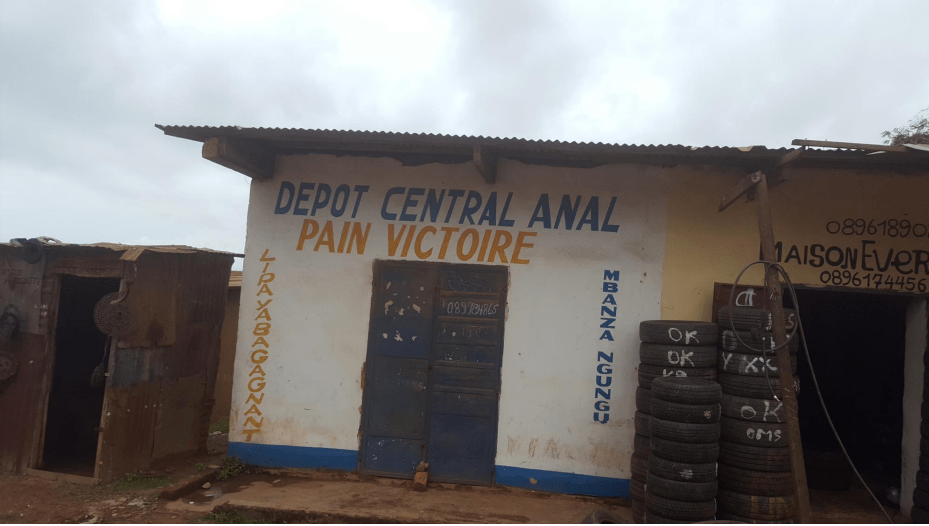
As told by serial luncher Deebee7.
Super Saturday, only 7 months late!
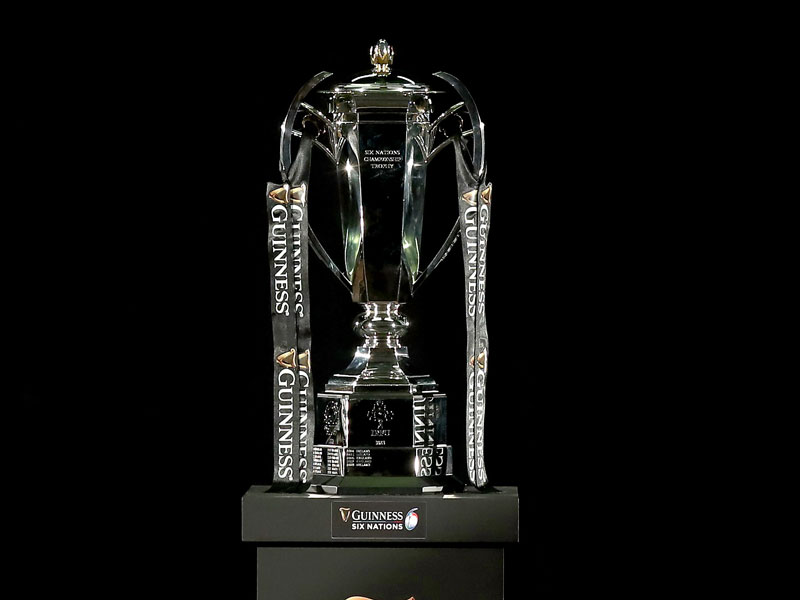
Ireland, England and France all still have a chance of winning the Six Nations.
In the unlikely event that Ireland beat France with a bonus point, they will win regardless of the other results. If they beat France, but without a bonus point, they still win if England fail to get a bonus point against Italy. If England win with a bonus point – as you’d expect them to – then it will come down to points difference, with Ireland currently being 23 points ahead.
If Ireland lose or draw, and England win, then England get the title, unless France win and have a better result than England’s victory in terms of championship points or, if on the same points, the points difference in scores. If they end up with the same points and points difference, then it comes down to tries scored, where France are currently ahead by 13-9.
Clear? Let’s play!
Onna telly this week
Friday 30th October
| Lions v Griquas | 16:55 | Sky Sports Mix |
Saturday 31st October
| Australia v New Zealand | 08:45 | Sky Sports Arena |
| Wales v Scotland | 14:15 | BBC1 / S4C |
| Pumas v Sharks | 14:25 | Sky Sports Arena |
| Italy v England | 16:45 | ITV / STV |
| Bulls v Stormers | 16:55 | Sky Sports Arena |
| France v Ireland | 20:05 | BBC1 / BBC2 |
Sunday 1st November
| Dragons v Munster | 14:00 | S4C / TG4 / Premier Sports 2 |
| Connacht v Treviso | 16:30 | TG4 / Premier Sports 2 |
| Italy v England (women) | 17:00 | Sky Sports Arena |
| Scarlets v Edinburgh | 18:45 | Premier Sports 1 |
Monday 2nd November
| Cardiff v Ulster | 18:00 | Premier Sports 2 |
| Zebre v Ospreys | 19:15 | Premier Sports 1 |
| Glasgow v Leinster | 20:15 | Premier Sports 1 |
 Ovally Balls
To make CMW’s day:-
LikeLike
It’s no RugbyX but this started today:
https://worldtens.com/
LikeLike
Both “The Evolution of Rugby” and “The Evolution from Rugby”.
Seems as if it’s finishing today. Nice gig. Two weeks in Bermuda with a bit of rugby thrown in.
LikeLike